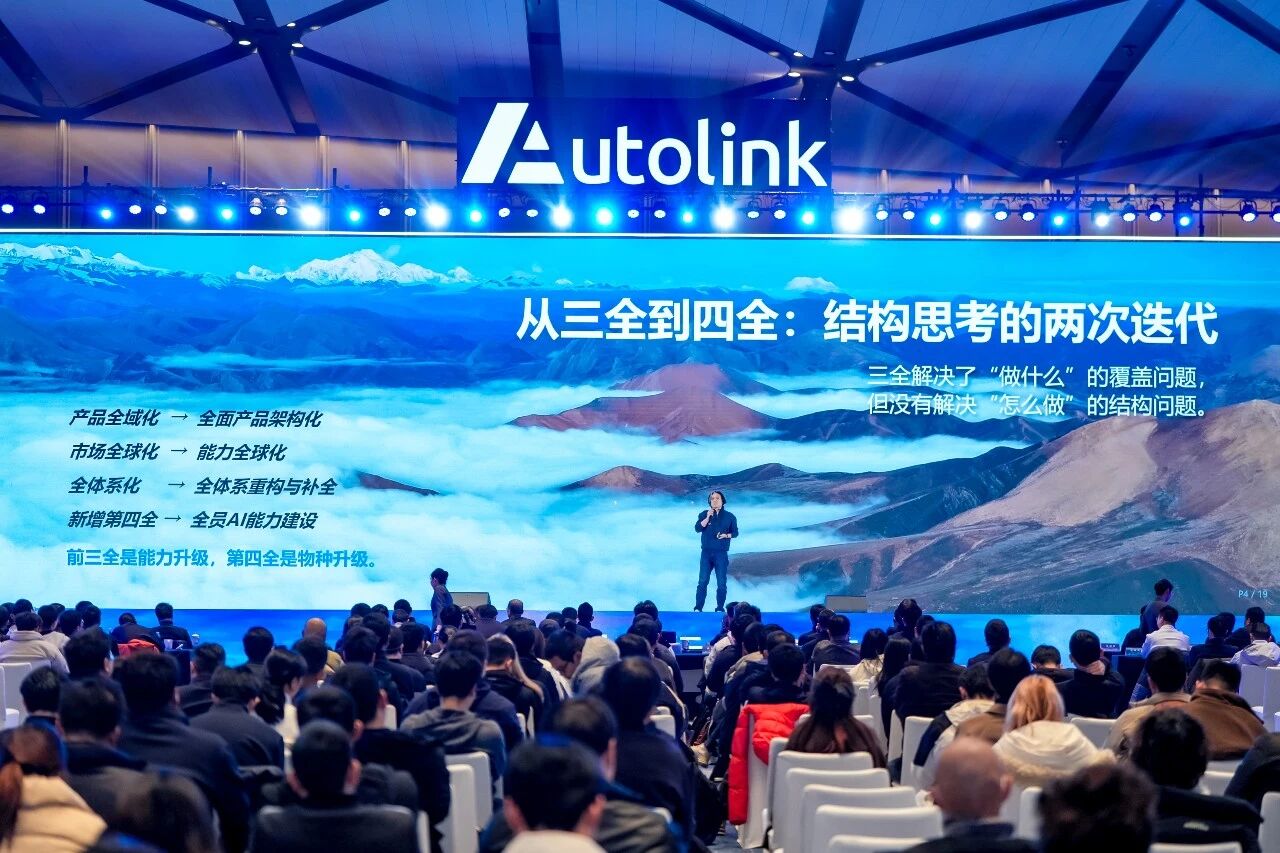
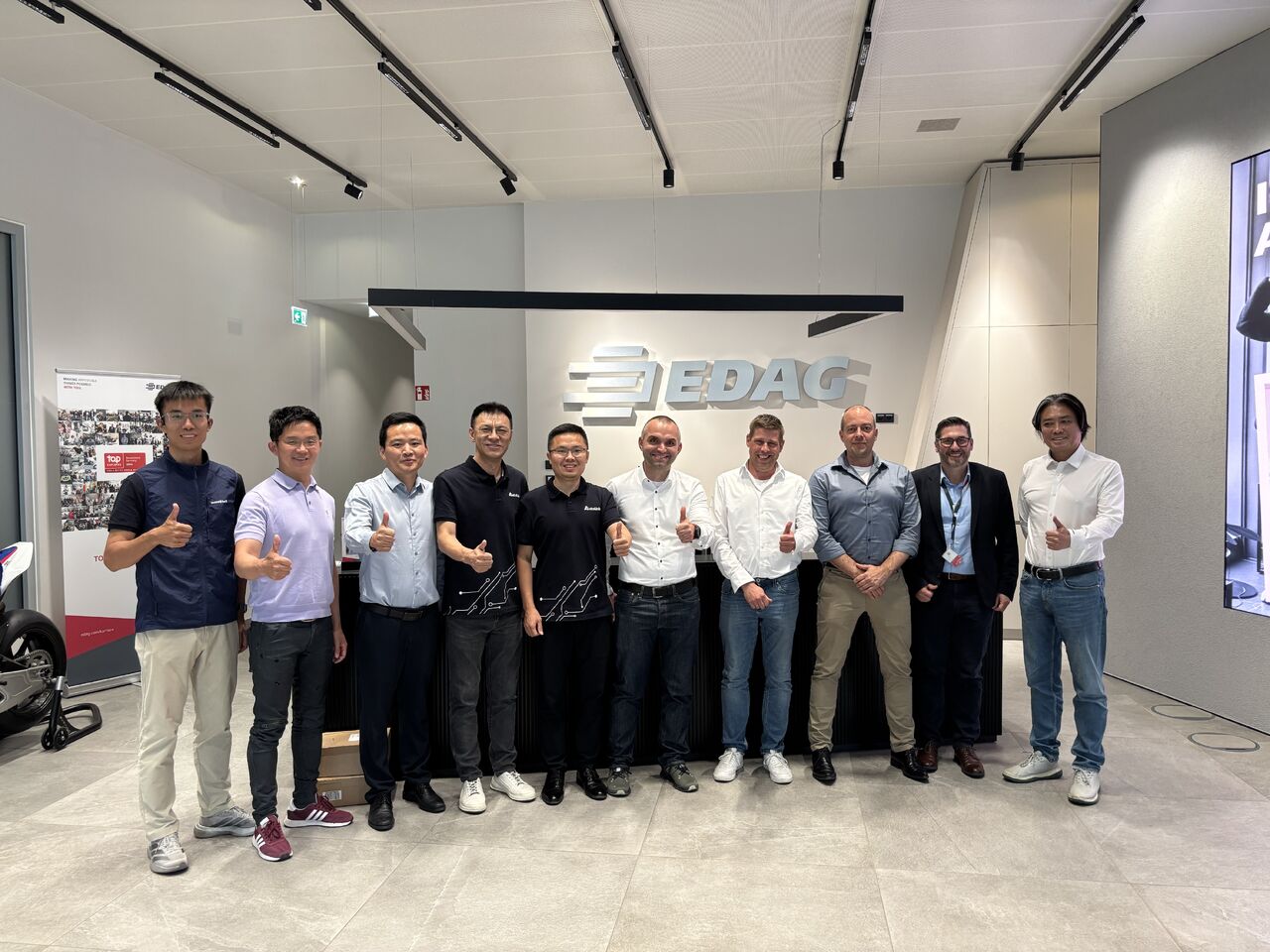
FULDA, Germany — September, 2026 — Autolink and EDAG Group, a leading independent engineering service provider, have launched a joint Proof of Concept (PoC) to evaluate Autolink's Deep Fusion EEA in a European vehicle context. The collaboration will assess its technical suitability, system integration capabilities and alignment with European requirements, and will result in a technical demonstrator.
As software-defined vehicles continue to reshape automotive development, centralized computing, zonal E/E architectures and artificial intelligence are becoming increasingly important. Future vehicle architectures must also meet increasingly complex requirements across system integration, functional safety, cybersecurity, validation and regulation.
Autolink contributes its capabilities in next-generation E/E architectures, central computing platforms, zone controllers, and related software and communication technologies. EDAG complements these with expertise in systems engineering, complete vehicle development, electrical and mechanical integration, functional safety, cybersecurity, validation and European requirements.
From Architecture Innovation to Vehicle-Level Validation
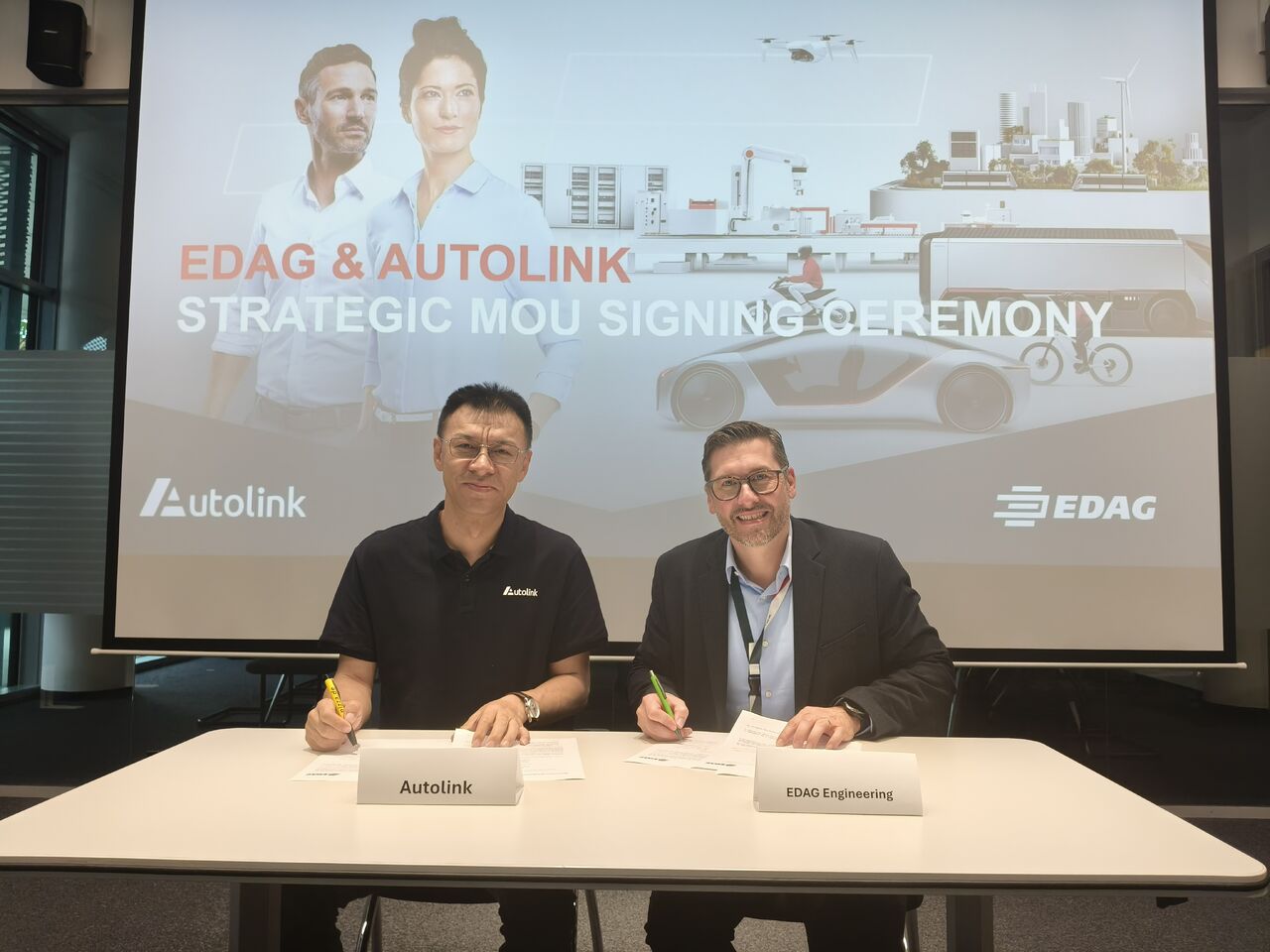 The MOU was signed by Zhigang Li, VP & CSO of Autolink, and Andreas Heckers, VP of EDAG Group.
The PoC will assess Deep Fusion EEA from a complete-vehicle perspective, focusing on its technical capabilities, suitability for different functional scopes, and requirements relating to vehicle integration and validation.
The resulting demonstrator will make the interaction between central computing, zonal control and key architecture components tangible in a vehicle environment. The project is a proof of concept rather than a series-development program, providing European OEMs with a clearer engineering basis for evaluating future architecture concepts while helping reduce downstream integration risks.
Autolink has continued to advance its technology roadmap around intelligent vehicle architecture evolution. From the world's first mass production of an intelligent cockpit domain controller based on Qualcomm Snapdragon SA8155P in 2021, to its SA8775P single-chip cockpit-driving fusion platform and continued development of central computing, zone control and Deep Fusion EEA, the company has focused on translating advanced architecture technologies into automotive-grade, scalable solutions. As of May 2026, Autolink had secured 164 vehicle program nominations, while cumulative shipments of its SA8155P-based platform had exceeded 2.3 million units.
Li Zhigang, Vice President and Chief Strategy Officer of Autolink, said:
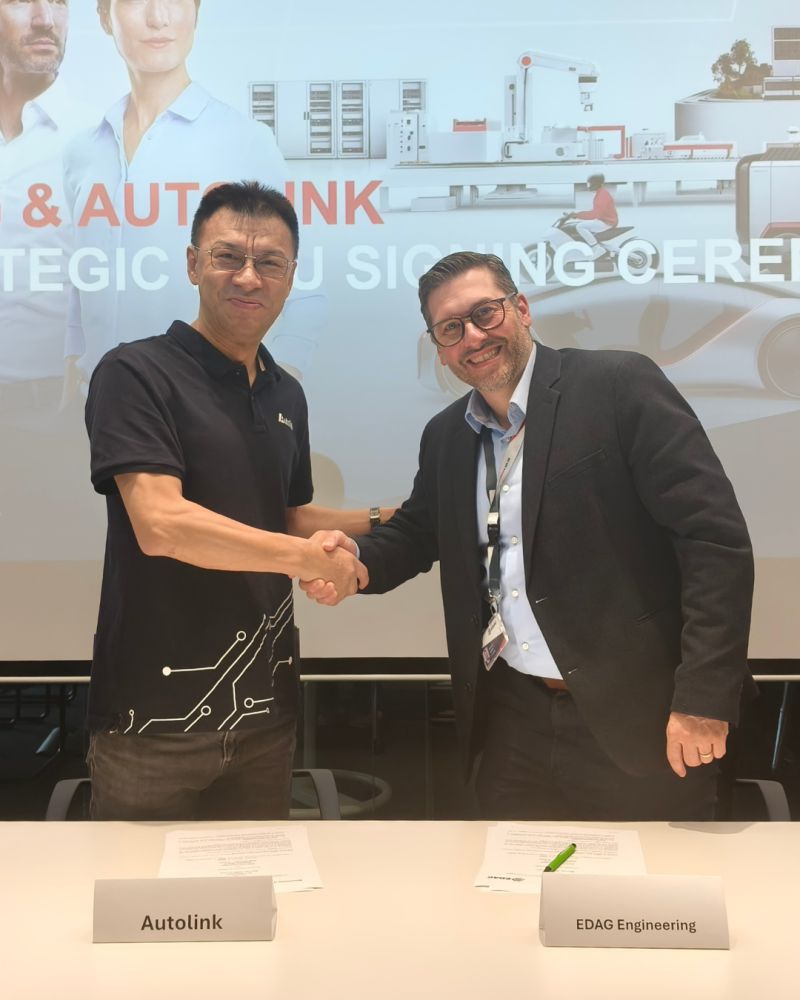
“Europe is not only an important market in Autolink's global development, but also a key environment for the evolution of next-generation vehicle architectures. Our collaboration with EDAG enables us to bring our architecture and computing capabilities into the European vehicle engineering process and evaluate them against real-world requirements in system integration, safety, validation and regulation. For Autolink, globalization is not simply about bringing technologies into different markets — it is about building capabilities that connect deeply with local engineering systems, customer requirements and industry ecosystems.”
The collaboration also forms part of Autolink's continued development of localized capabilities in Europe. Through joint ventures, localized software capabilities and industry partnerships, the company is progressively building a regional foundation spanning technology collaboration, R&D support and engineering delivery.
Based on the results of the PoC, Autolink and EDAG will continue exploring scalable applications of Deep Fusion EEA across different vehicle platforms and market requirements, providing European OEMs with additional options for evaluating future vehicle architectures.
About Autolink
Autolink continuously advances intelligent vehicle architecture evolution by investing in the research and development of intelligent vehicle central computing platforms, electronic and electrical architecture (E/E) upgrades, and on-device AI technologies, building core technology capabilities for next-generation intelligent vehicle infrastructure in the era of Physical AI.