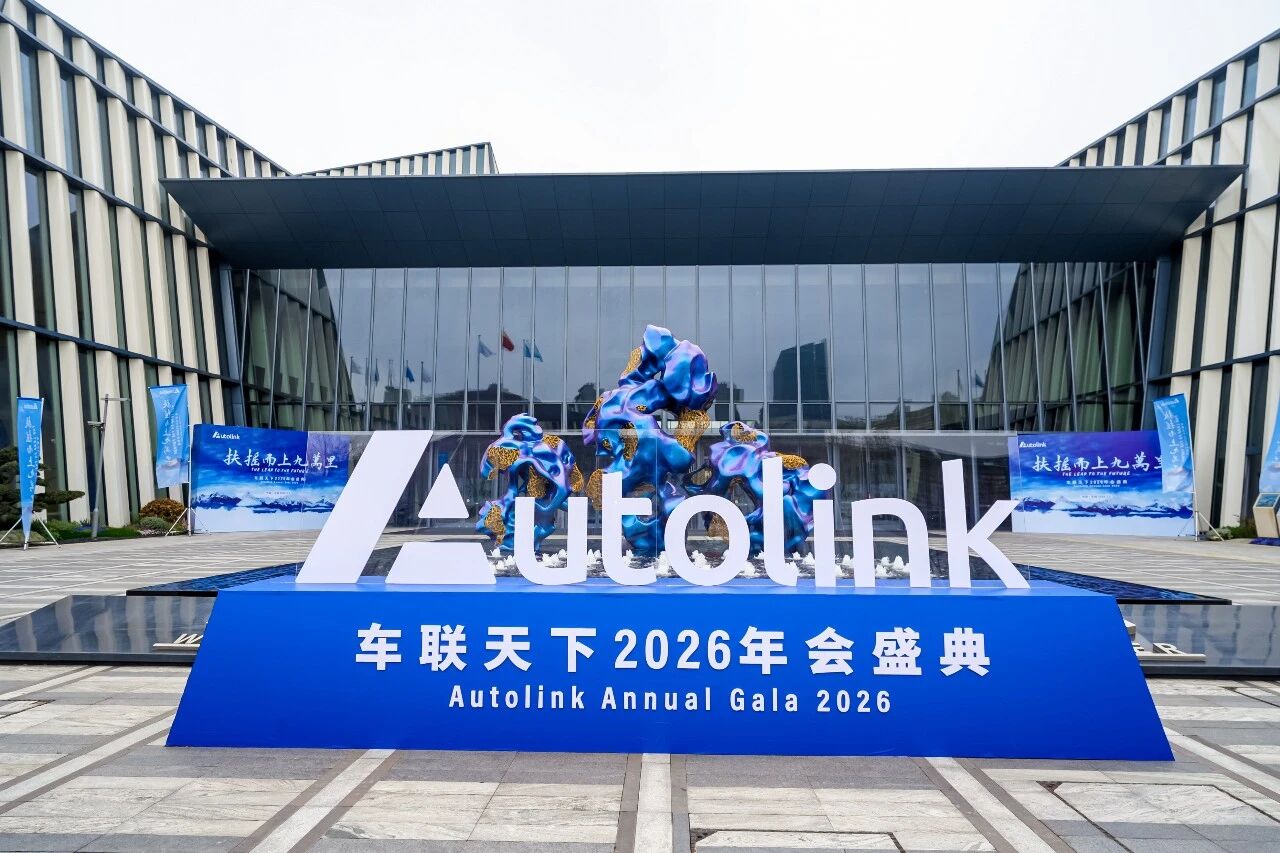
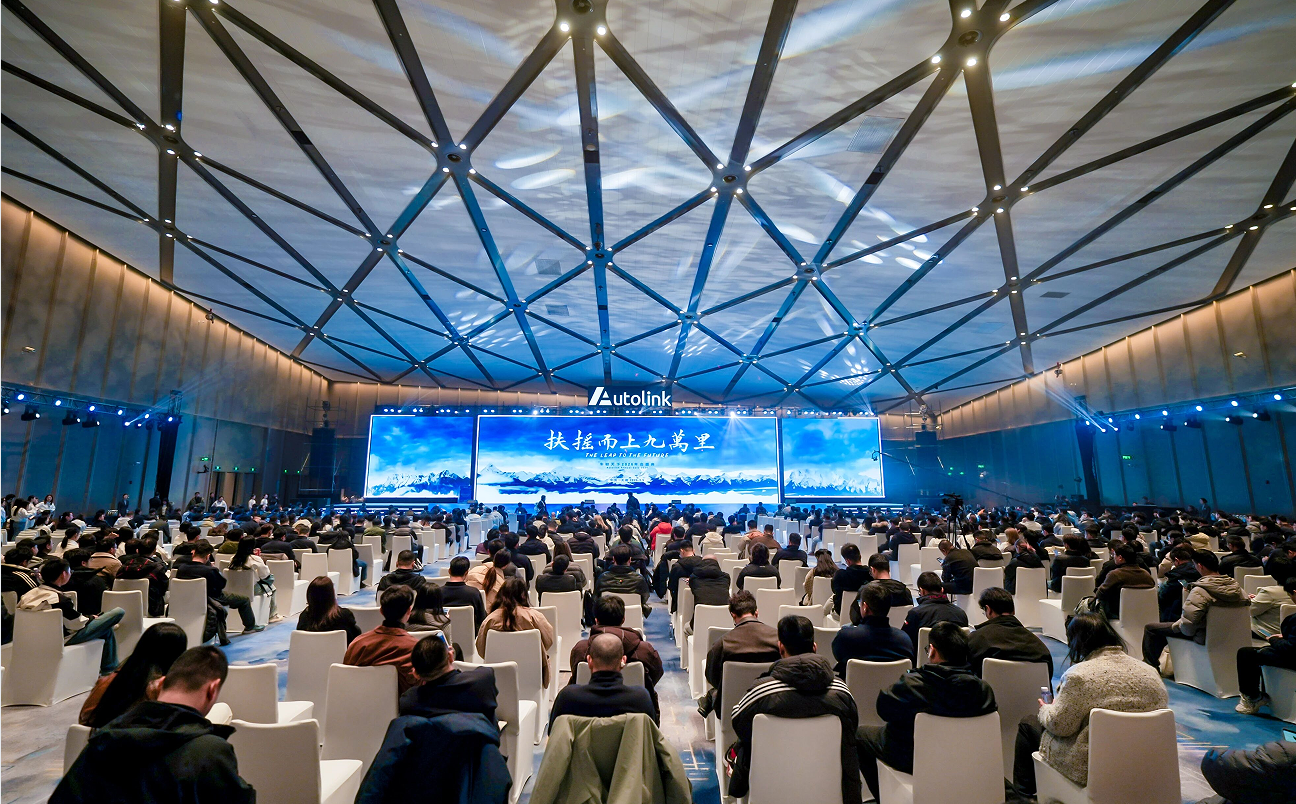
 Wuxi, March 5, 2026 – At its 2026 Annual Report and Awards Ceremony held in Wuxi, Autolink announced the comprehensive launch of a structural upgrade. Building upon the existing framework of "All-Domain, Globalized, End-to-End" the company has introduced "AI-Empowered" as a fourth core pillar, forming the new "Four-Comprehensive Strategy" architecture. This marks a strategic transformation into a "Structural Company" and entails a complete restructuring of its development plan for the new decade leading to 2035.
From Opportunistic Growth to Structural Drive: A Two-Phase Strategic Leap
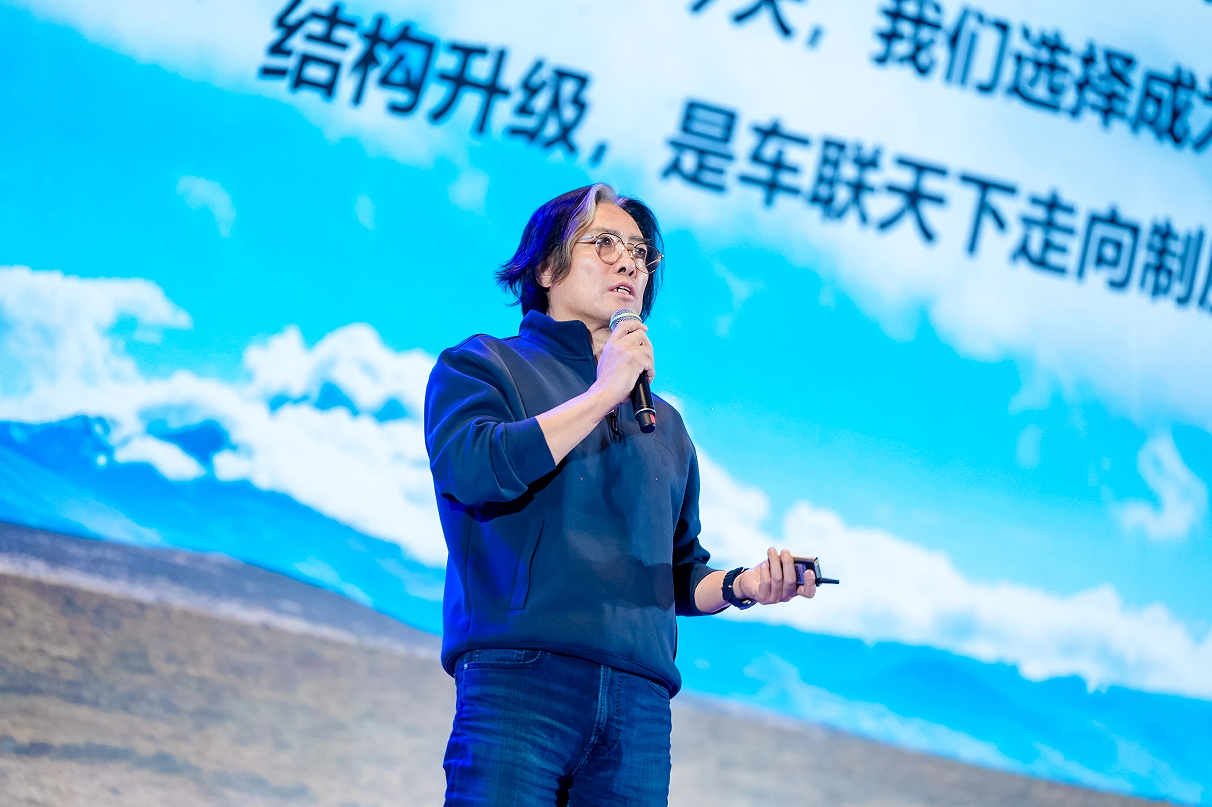
At the conference, Yang Hongze, Founder and Chairman of Autolink, delivered a keynote titled "Structural Upgrade: Our Strategic Choice," providing a comprehensive review of the company's 11-year journey.
From Phase 1.0 (2014-2019), where the company seized industry window opportunities to complete its Series A funding, obtain pre-installation qualifications from 15 automakers, and accumulate a user base of 1 million vehicle owners, achieving initial capability accumulation; to Phase 2.0 (2020-2025), where it focused intensely on the cockpit domain controller window, achieving the world's first mass production and cumulative top global shipments of the Qualcomm Snapdragon 8155 chip, realizing the second-highest revenue in China's smart cockpit domain controller sector, covering the top five Chinese auto brands, securing over 100 vehicle model design wins, and achieving the world's first launch of a cockpit-driving fusion solution based on the Qualcomm Snapdragon 8775 platform. ([1] As of June 30, 2025, and according to Frost & Sullivan data; [2] For the year 2024 and according to Frost & Sullivan data)
Autolink is now strategically transitioning from an opportunistic growth company to a structural company, a necessary leap in its development stage and a path towards institutional maturity.
Yang Hongze emphasized, "What we truly leave behind is not scale, but capability."
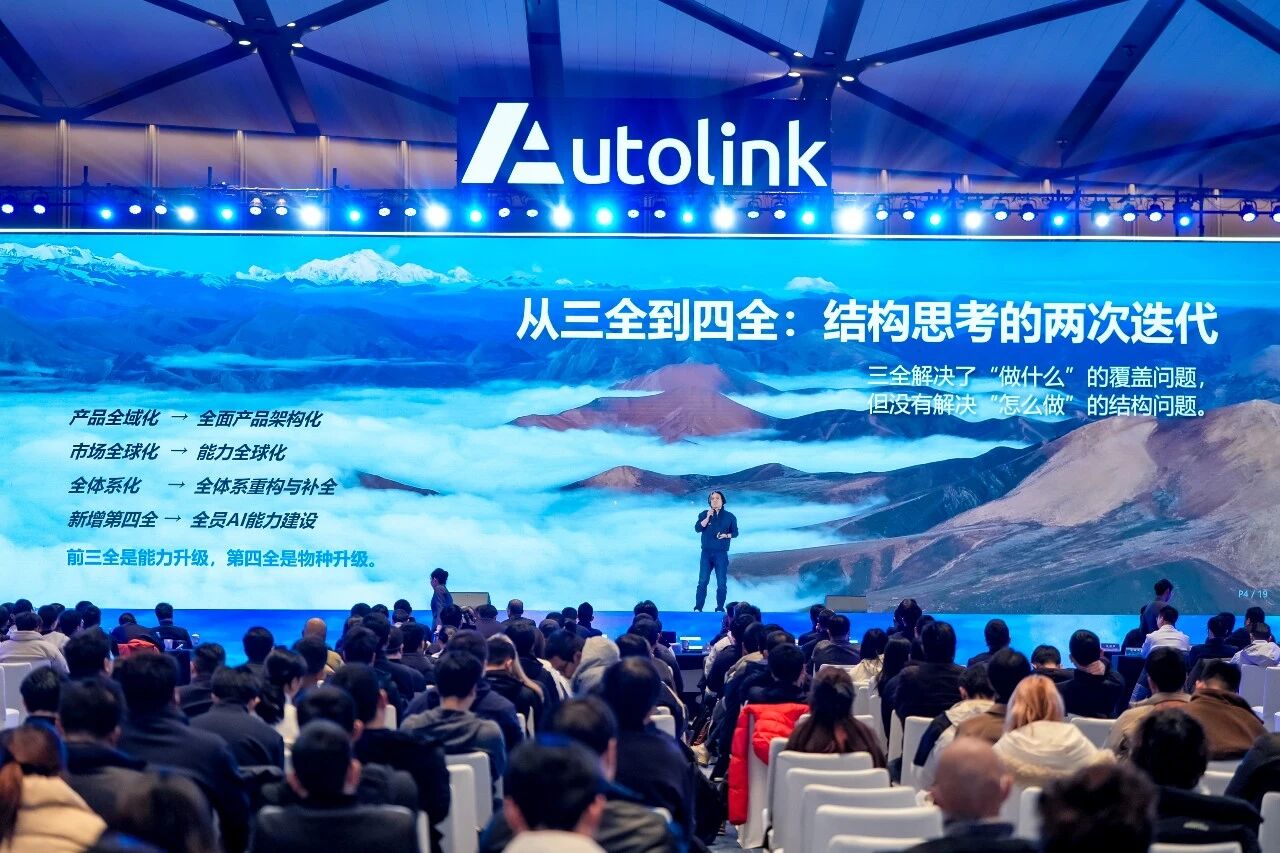
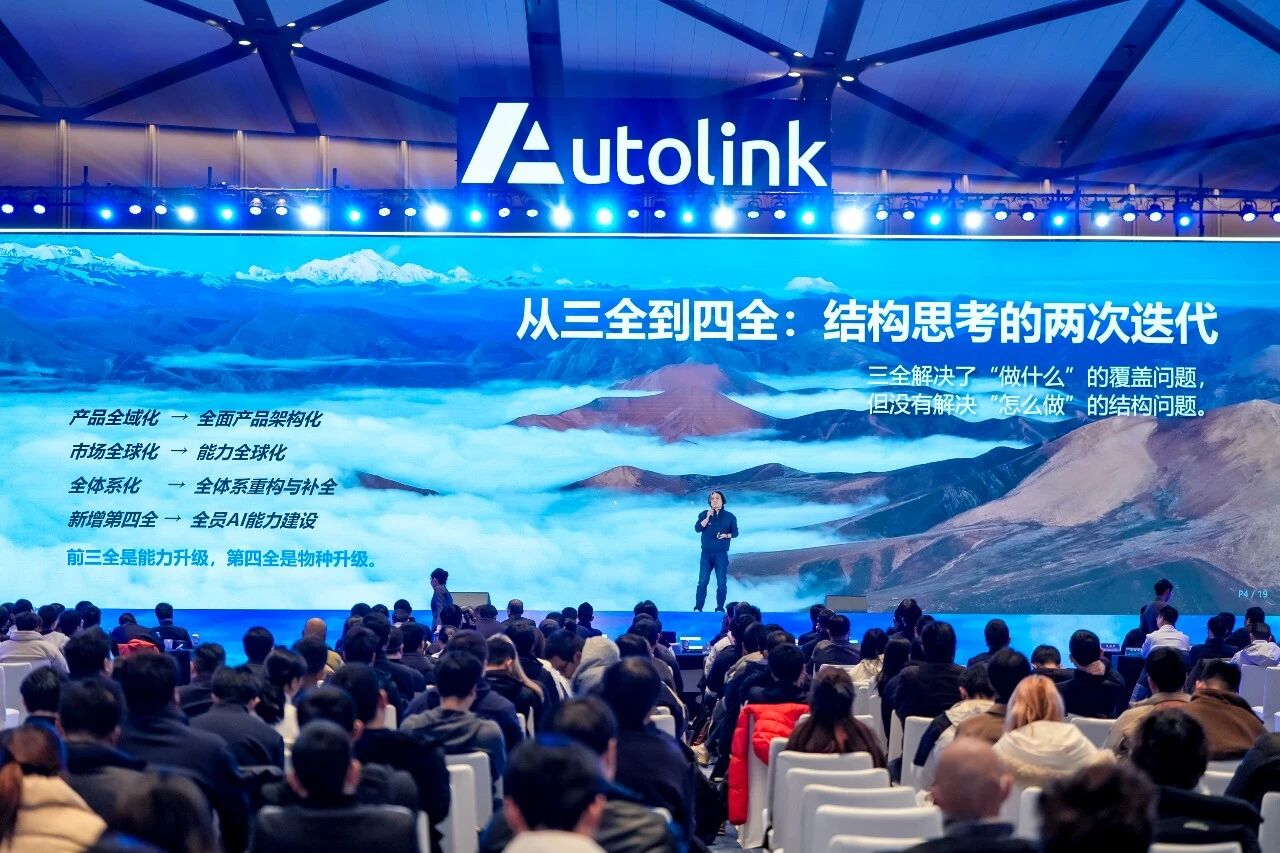
From "Three-Comprehensive" to "Four-Comprehensive": Two Iterations of Structural Thinking
Currently, three major variables—"continuously intensifying industry competition, technical complexity several times greater than three years ago, and an accelerating compression of the capital cycle"—are converging and creating pressure. Addressing structural issues during the window period amplifies advantages; missing the window exposes structural weaknesses. Structural upgrade is not merely about adding capabilities, but about reshaping the organization's operational mode: making decisions traceable, capabilities sustainable, operations transparent, and risks hedgeable, thereby building an organizational order that does not rely on individuals in a competitive landscape.
Last year, Autolink released its new decade-long strategic plan for 2035, clarifying the development direction of "Domain-Wide, Globalization, and Full-System." This "Three-Comprehensive" development layout addressed the "what to do" coverage question.
In 2026, Autolink will comprehensively upgrade its development strategy to the "Four-Comprehensive" – Full Product Architecture, Globalized Capabilities, End-to-End System Rebuild and Enhancement, and Company-wide AI Capability Building – moving from "capability upgrade" to "species upgrade," thereby solving the "how to do it" structural question.
I. Full Product Architecture
The essence of product competition is architectural capability.
Comprehensive Product Architecture means Autolink focuses on building a "Four-Cycle Product System," forming a cyclical, continuously evolving architectural design driven by the interaction of "Data & Information," "Software Architecture," "Hardware Architecture," and the "Control Layer." Through hardware-software decoupling and module reuse, it promotes product development from "single-point breakthroughs" to "system reuse," thereby shortening new project cycles and reducing development costs.
Following the world's first mass production in 2025 of its cockpit-driving fusion domain controller (based on the Qualcomm Snapdragon 8775 platform) in BAIC's Arcfox models, the company will continue to advance the R&D and implementation of its Deep Fusion EEA (Deep Fusion Electronic/Electrical Architecture), driving the full-domain intelligent platform from concept validation to scaled mass production, defining product competitiveness through architectural capability.
II. Capability Globalization – From Selling Out to Taking Root
Globalization is not sales expansion, but a reconstruction of the capability structure. The priority is to build a capability closed loop, then scale the market.
Autolink's globalization is not simply selling products to overseas markets, but about building a truly globally synergistic industrial ecosystem. It's not just "doing business" overseas, but taking root locally and growing together with the local industry chain.
In 2025, Autolink Japan was officially established, and European and North American businesses achieved phased progress. The company also made appearances at AEE Yokohama/Nagoya, IAA Mobility 2025 Munich, and CES 2026 in the US. This year, the company will continue to build the "Customer – Capability – Team – Partner – Capital" five-ring closed loop.
Currently, the company is deepening its layout in the European and North American markets, planning to establish delivery channels to Japan and South Korea, and is progressing with the delivery of the first mass-production vehicle model for the Indian market.
III. End-to-End System Rebuild and Enhancement – Making the System AI-Ready
The system is the underlying stabilizer of a complex organization. The goal is to evolve from "having a system" to achieving an "AI-ready system."
Autolink is driving a three-layer, full-system reconstruction: The first layer is Master Data, ensuring uniqueness, consistency, and traceability; the second layer is the Process System, integrating the entire chain of R&D, procurement, manufacturing, and delivery; the third layer is System Support, achieving integrated, transparent, real-time, and visual operations.
Following the continuous upgrades in 2025 to its R&D, engineering delivery, and supply chain quality systems, the SAP system became operational in 2026. Inventory turnover was significantly reduced from 83 days ([3] For the year ended December 31, 2022) to 23 days ([4] For the six months ended June 30, 2025), and the four major bases achieved production capacity synergy, further solidifying the operational foundation of the company's organization.
IV. Company-wide AI Capability Building – Human and AI Agent Co-governance
AI is not an upgrade of efficiency tools, but a change at the species level.
When AI is no longer just a tool but becomes a "co-governor" of the organization, the operational logic of the enterprise will be completely restructured.
As a new strategic dimension added in 2026, Autolink will introduce AI into the entire process of strategic decision-making, project governance, daily operations, and performance evaluation. This includes executive + strategic AI Agent co-governance, human × AI Agent hybrid project teams, AI autonomous handling of routine tasks, and data-driven real-time performance profiling. Piloting is planned to start in 2026, expand in scope from 2027-2028, and become standard practice after 2029.
The ultimate goal of the Four-Comprehensive Strategy is to land on every employee: making work modules reusable, outcomes shareable, and processes aligned, using the power of systems and AI to liberate people from repetitive labor.
Five Years for Structural Upgrade, Ten Years for Structural Maturity
In the era of comprehensive competition, the key to victory lies not in speed but in quality! In the next five years, Autolink will complete its structural upgrade, and in ten years, it will move towards structural maturity!
In product structure, Deep Fusion EEA will achieve mass production, leading globally in central computing; in global structure, it will move from "having a layout" to "achieving closure," with overseas revenue share increasing significantly by 2035; in organizational structure, the full system will be AI-ready, and human-machine co-governance will become standard practice, driving a qualitative breakthrough in shipment volume.
From entering the industry in 1.0, to seizing opportunities in 2.0; from expanding capabilities with the Three-Comprehensive, to restructuring with the Four-Comprehensive. Autolink has completed its transformation from opportunistic growth to structural drive in 11 years. Now, with structural priority as the core, institutional safeguards as the foundation, and AI synergy as the wings, Autolink is soaring into its new decade!