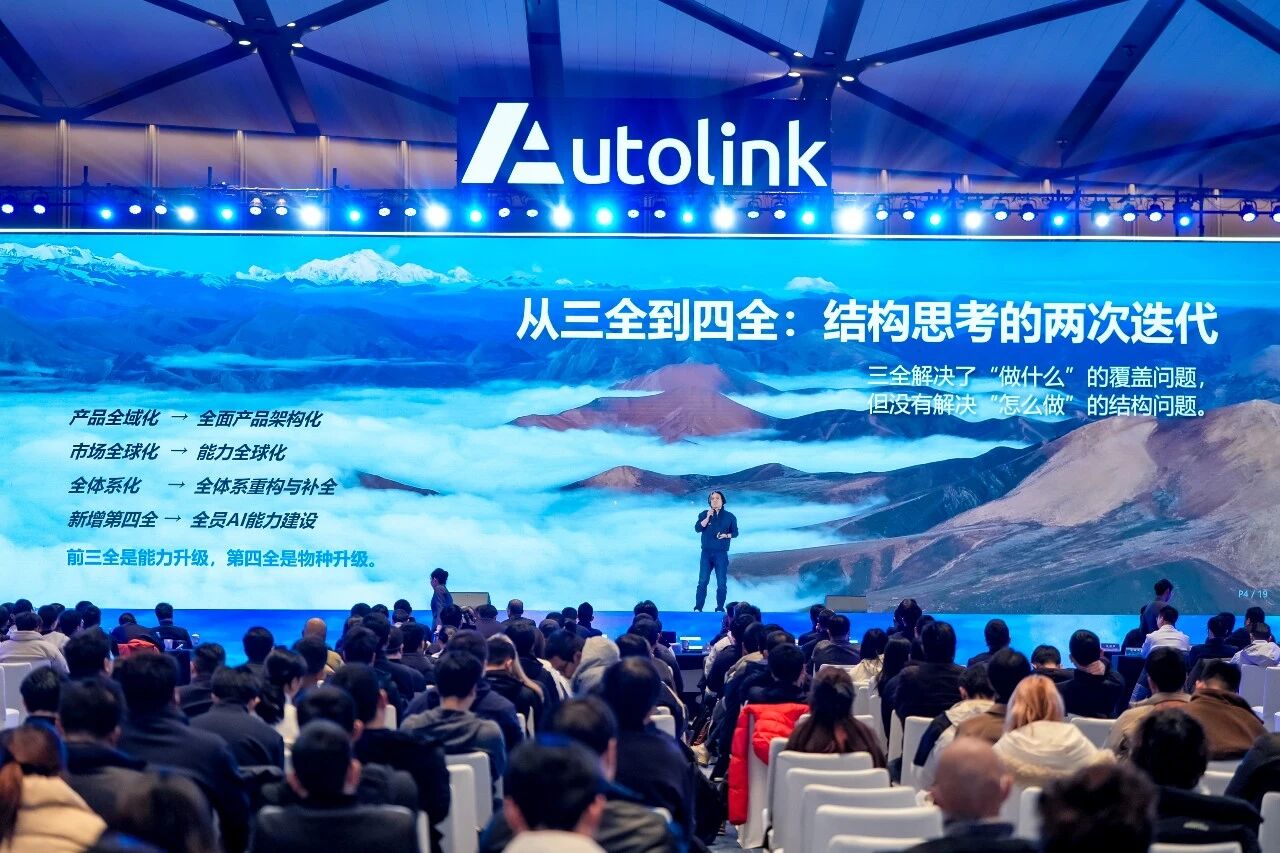
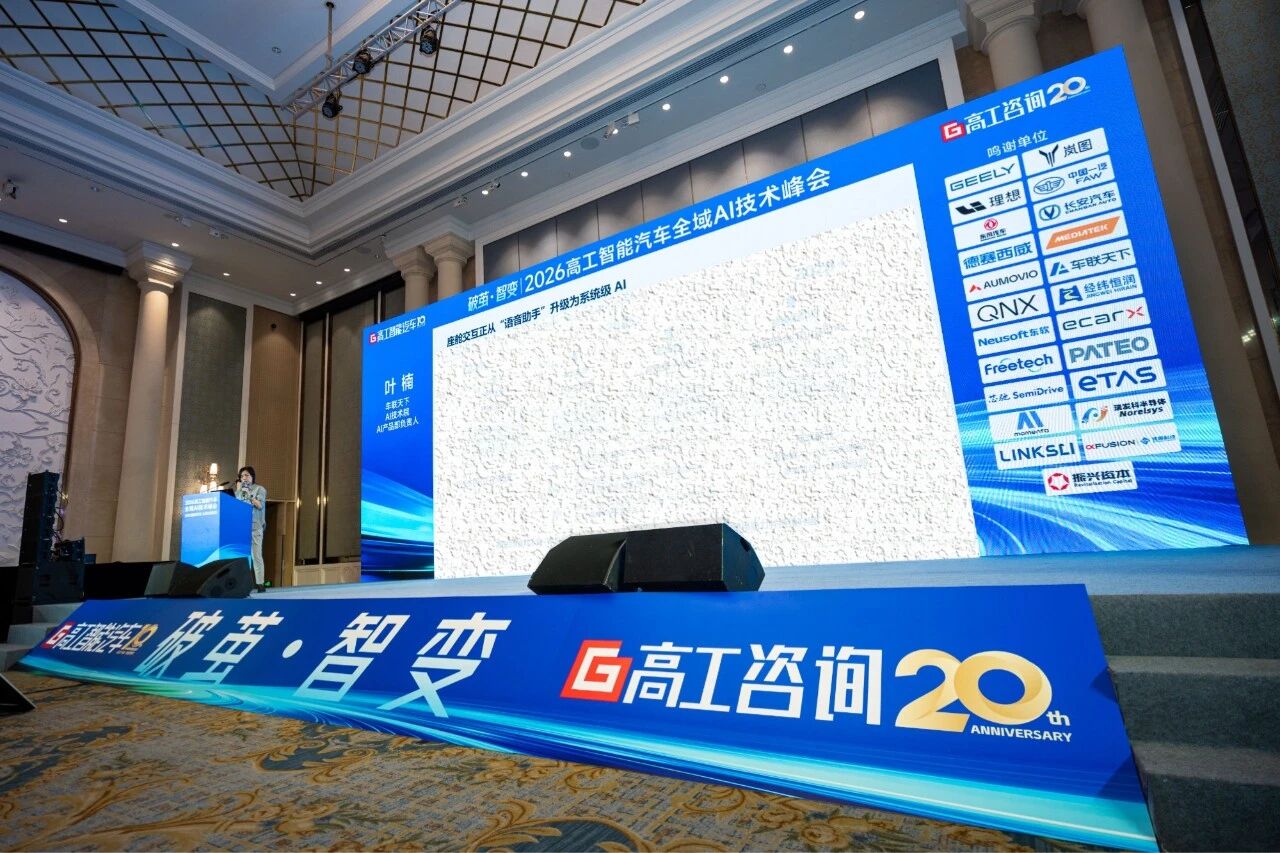
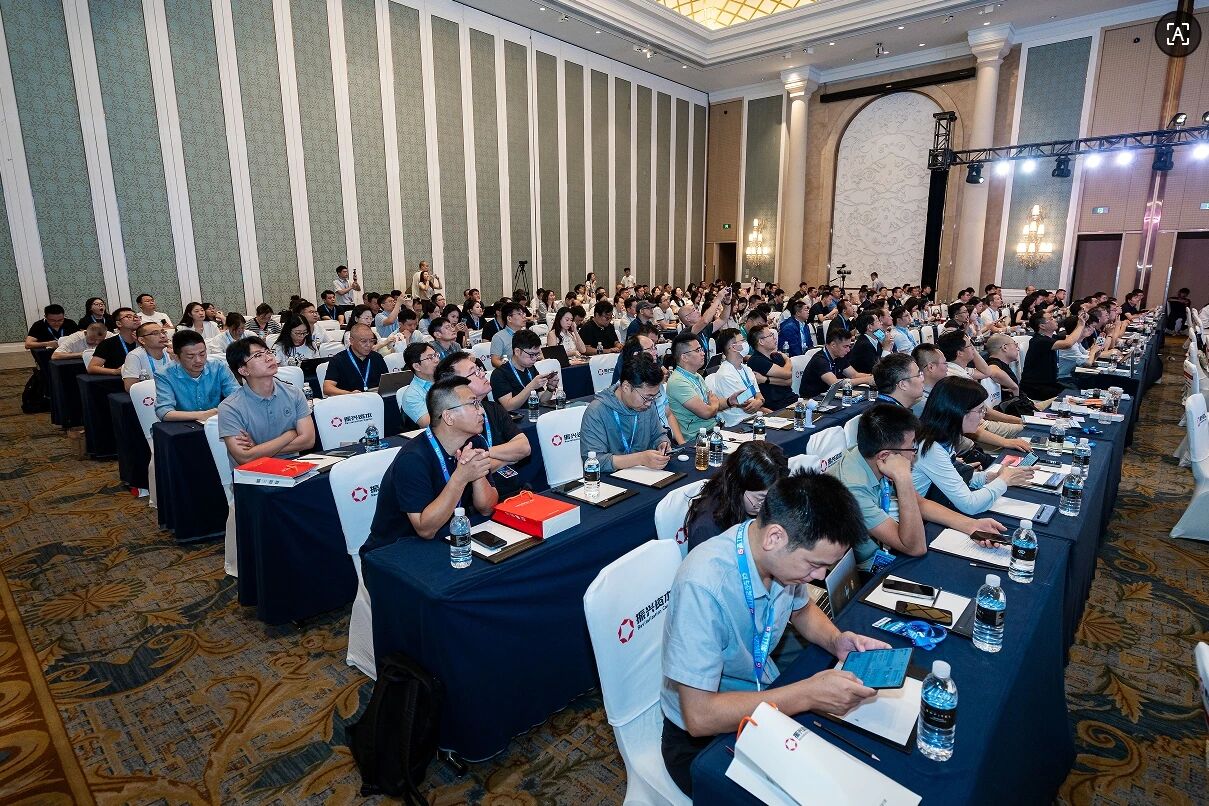
Shanghai, July 28, 2026 — The 2026 GGAI (GaoGong Auto Intelligence) All-Domain AI Technology Summit was held in Shanghai under the theme "Breaking Through · Intelligent Transformation." Focusing on key areas including cockpit-driving fusion, central
computing with zone control, AI cockpit, and in-vehicle large models, the summit recognized Autolink with the "Cockpit-Driving Fusion Platform Benchmark Award" for its continuous technology evolution from intelligent cockpit domain controllers to cockpit-driving fusion platforms and central computing architectures, as well as its ongoing innovation in AI and electronic/electrical architecture integration.
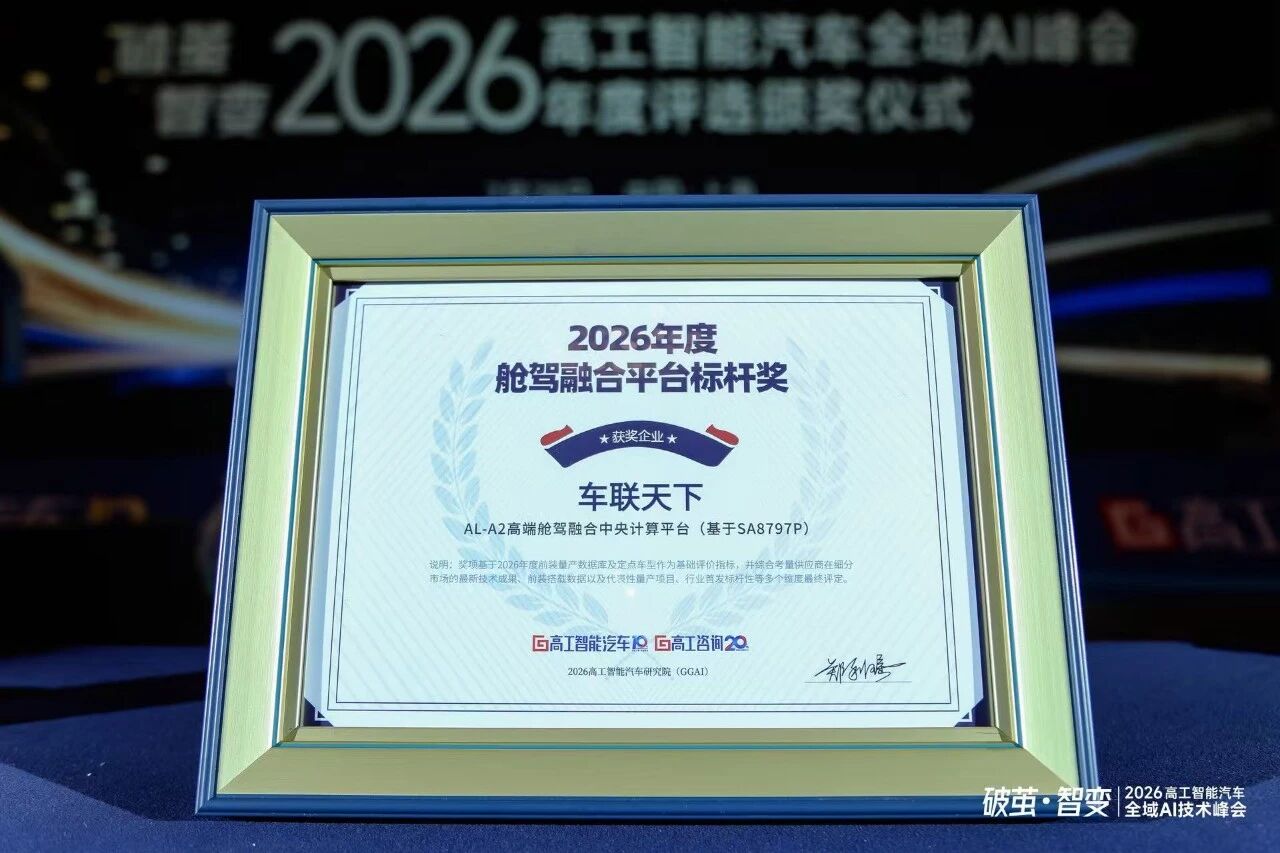
(photo from GGAI)
This recognition follows Autolink AL-A1 cockpit-driving fusion domain controller receiving the "Annual Mass Production Innovation Award" at the 9th GGAI Golden Globe Awards in 2025, representing another industry recognition of Autolink's platform-level technology capabilities.
From Snapdragon 3rd to 5th Generation Platforms: Continuous Evolution of Autolink's Computing Capabilities
Since its establishment, Autolink has focused on the generational evolution of automotive electronic/electrical architectures, advancing from intelligent cockpit domain controllers to cockpit-driving fusion and central computing platforms. Built upon multiple Snapdragon generations including 8155, 8255, 8775, and 8797, Autolink has developed a comprehensive product portfolio that drives intelligent vehicle architectures from functional integration toward system-level capabilities.
At the mass-production level, Autolink's AL-C1 intelligent cockpit domain controller based on Qualcomm Snapdragon 8155 has achieved large-scale deployment across multiple mainstream vehicle brands. According to Frost & Sullivan, cumulative shipments exceeded 2.3 million units by May 2026, ranking first globally.
Building on this foundation, Autolink introduced AL-C2 premium intelligent cockpit domain controller based on Snapdragon 8255, deployed in models including Jetour Zongheng G700, further expanding premium intelligent cockpit applications.
Based on Snapdragon 8775, Autolink's AL-A1 cockpit-driving fusion domain controller achieved mass production of a single-chip cockpit-driving fusion solution and was first deployed in Arcfox Alpha T5, followed by additional vehicle applications. This accelerated the transition of cockpit-driving fusion technology from concept validation toward industrial-scale deployment.
Building on this foundation, Autolink launched AL-A2 cockpit-driving fusion domain controller based on Snapdragon 8797. Designed for next-generation central computing architectures, it provides enhanced computing performance and AI scalability, supporting unified computing across intelligent cockpits and advanced driver assistance systems, as well as edge AI model deployment and multi-domain collaboration.
AI Link 3.0 Deep Fusion EEA: Building the Intelligent Vehicle Foundation for the Central Computing Era
As software-defined vehicles move toward large-scale commercialization, “central computing + zone control” is becoming a critical foundation for next-generation vehicle electronic/electrical architectures. Meanwhile, advances in AI foundation models and intelligent agents are further accelerating vehicle intelligence across perception, decision-making, and execution.
Against this industry backdrop, Autolink officially launched AI Link 3.0 Deep Fusion EEA during CES 2026. Designed for the central computing era, the architecture achieves industry-first integration of central computing platforms, zone controllers, and high-speed optical communication, establishing a system-level technology foundation for advanced intelligent driving, edge AI models, in-vehicle AI agents, ultra-high-definition perception, and all-scenario intelligent interaction.
Through deep integration of computing and communication architectures, AI Link 3.0 Deep Fusion EEA enables efficient collaboration across perception, decision-making, control, and interaction. The architecture combines a central computing platform, zone controllers, and a high-speed optical communication backbone network to create an intelligent vehicle foundation for the central computing era.
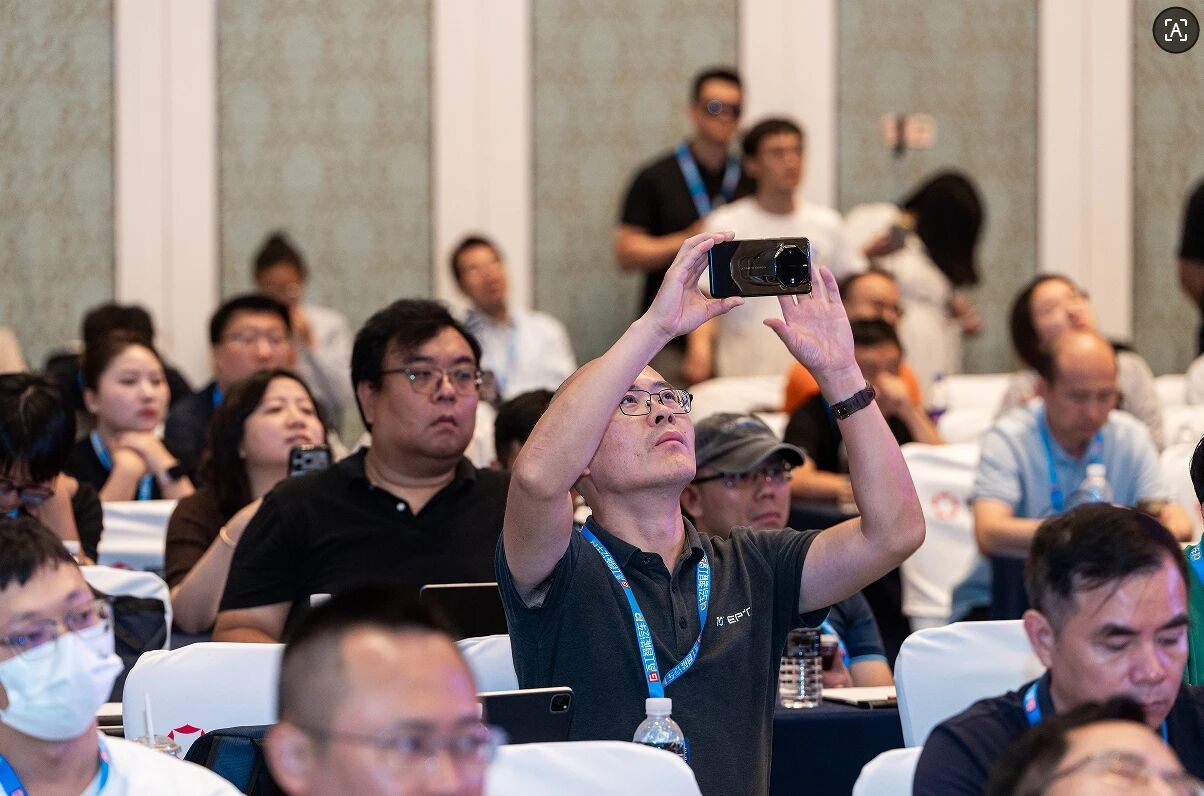
AI-Driven Architecture Evolution and System Capability Development
Autolink believes that the competitive landscape of the automotive industry is being reshaped by AI. While previous advantages were built around feature accumulation, future competitiveness will depend on vehicle-level AI capabilities and continuous evolution.
Autolink believes cockpit interaction is evolving from voice assistants toward system-level AI, with competition shifting toward task completion capabilities. The core of cockpit agents lies in the combination of perception, context, and execution — enabling vehicles to continuously understand users and environments while performing real-world actions with safety and responsibility.

Based on this vision, Autolink has developed a six-layer vehicle execution platform to transform AI model capabilities into production-ready functions. The company is also advancing from project-based customization toward reusable capability units, standardized boundaries, and scalable delivery models.
Autolink's AI Technology → AI Products → Vehicle-Wide AI development framework provides a clear pathway for transforming AI from technology innovation into mass-production solutions and from individual functions into vehicle-level intelligence integration.
Receiving the "Cockpit-Driving Fusion Platform Benchmark Award" reflects industry recognition of Autolink's system-level technology capabilities. Moving forward, Autolink will continue investing in central computing, zone control, high-speed communication, and edge AI technologies to advance intelligent vehicle architecture evolution.
About Autolink
Autolink continuously advances intelligent vehicle architecture evolution by investing in the research and development of intelligent vehicle central computing platforms, electronic and electrical architecture (EEA) upgrades, and edge AI technologies, building core technology capabilities for next-generation intelligent vehicle infrastructure in the era of Physical AI.