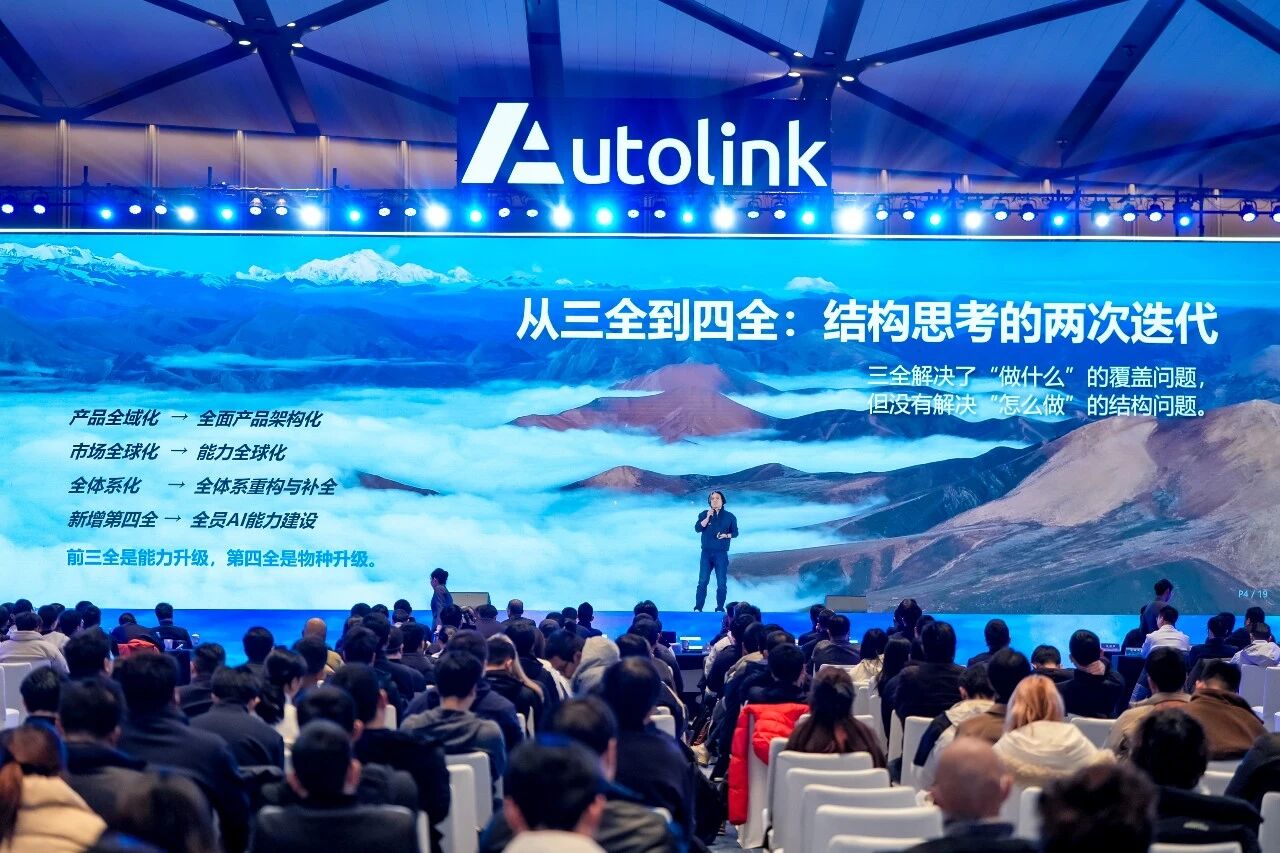
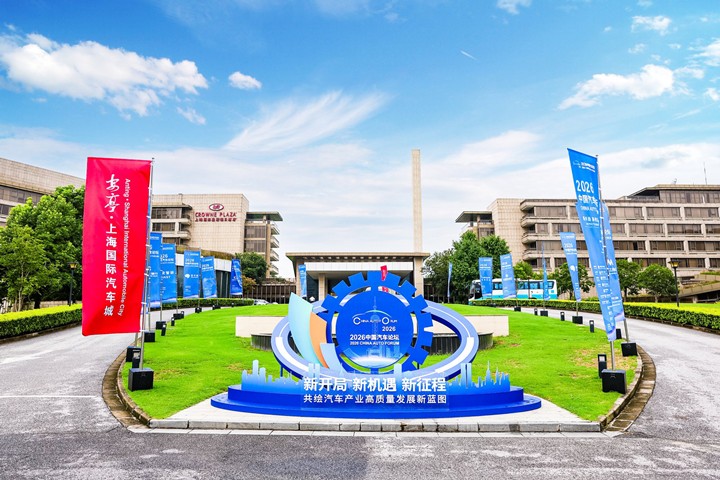
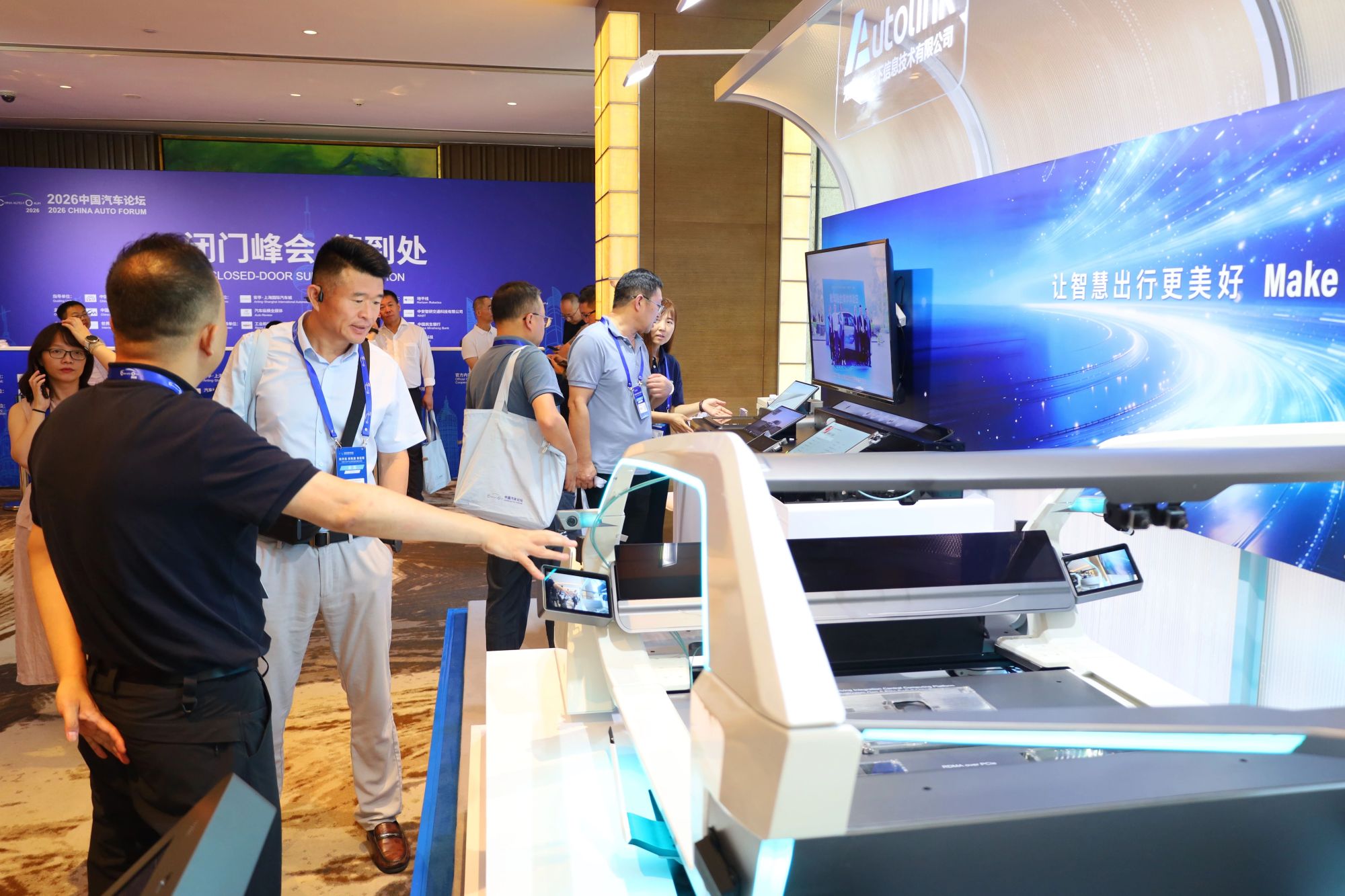
Shanghai, July 21, 2026 — The 2026 China Auto Forum officially opened in Shanghai under the theme "New Beginnings, New Opportunities, New Journeys — Co-Drawing a New Blueprint for High-Quality Automotive Industry Development." As automotive intelligence continues to evolve, Autolink is advancing next-generation E/E architecture innovation through system-level solutions spanning intelligent cockpits, cockpit-domain fusion, edge AI computing, and electronic and electrical architectures.
Core Product Matrix on Display
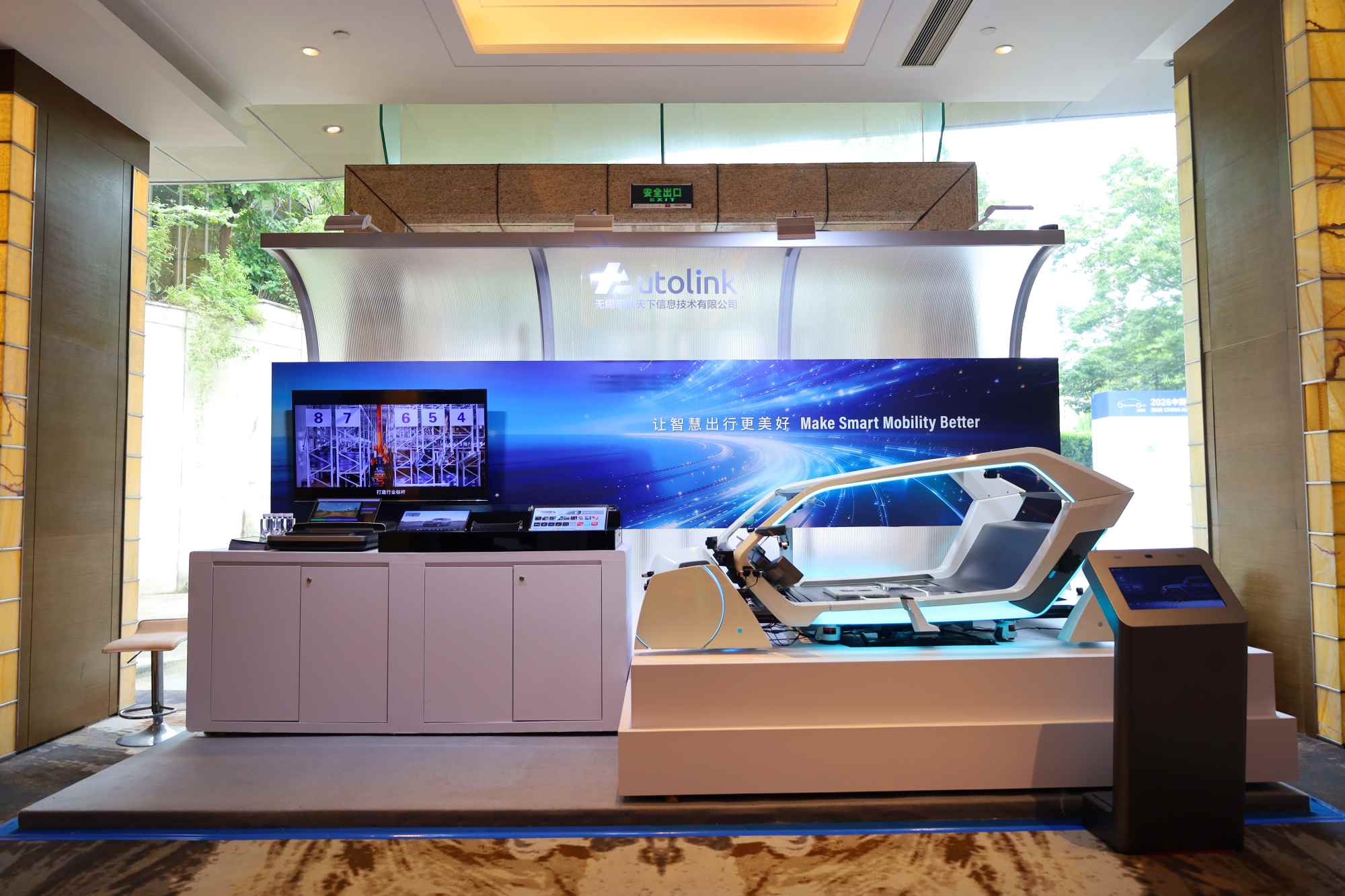
Centered on the generational evolution of automotive E/E architectures, Autolink is advancing from smart cockpit domain controllers toward cockpit-domain fusion and central computing platforms. These solutions demonstrate Autolink's evolution from component-level intelligence toward integrated vehicle computing architectures.
AL-C2 Premium Smart Cockpit Domain Controller (Qualcomm Snapdragon 8255): Powers next-generation digital experiences. Paired with Autosee Smart Cockpit software, it integrates in-cabin and external perception data to enhance entertainment, operability, comfort, and intelligent experiences. Mass-produced in models such as the Jetour Fangcheng G700, it supports multi-screen linkage, 3D interaction, and immersive user experiences.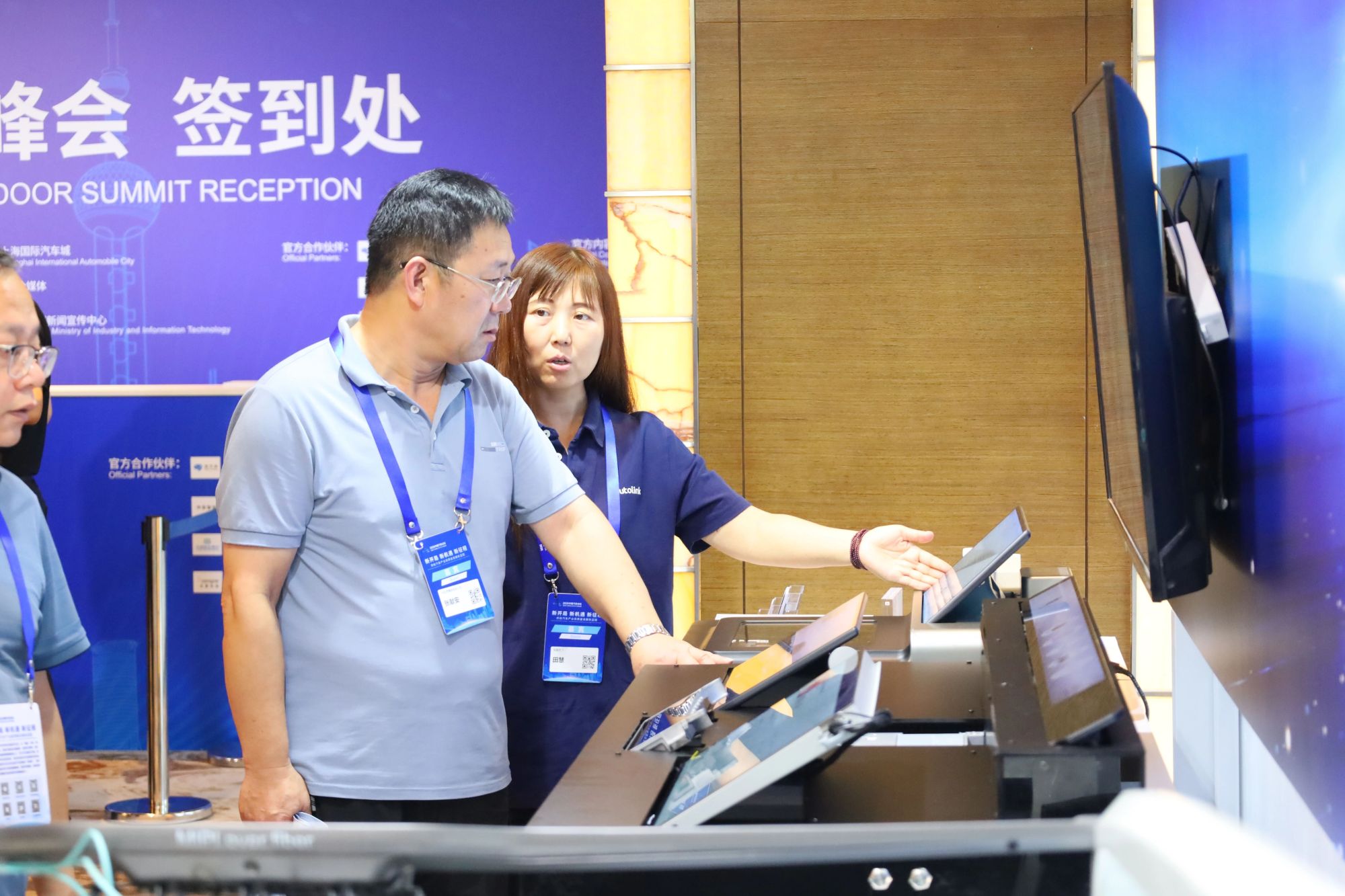
AL-A1 Cockpit-Domain Fusion Controller (Qualcomm Snapdragon 8775): Provides a flexible AI upgrade path for next-generation cockpit platforms. Featuring high-performance CPU, advanced NPU capabilities, and multi-channel vision processing, it supports deployment of 7B/13B-scale edge models and multi-sensor integration, enabling complex interaction, real-time decision-making, and proactive services.
AI Link 3.0 Deep Fusion EEA: Represents Autolink's approach toward next-generation vehicle computing architectures. Integrating a central computing platform, zone controllers, and a PCIe backbone network, it reconstructs vehicle computing and communication architectures to enable collaborative perception, decision-making, and control. This high-bandwidth, ultra-low-latency architecture enables efficient synergy between central and edge computing, supporting the transition from multi-domain coordination toward full-domain convergence.
AI-Driven Architectural Evolution
As automotive intelligence continues to evolve, the industry is moving from software-defined vehicles toward AI-enabled vehicle architectures, with cockpit-domain fusion and central computing as key pathways. Autolink’s vision extends beyond functional integration toward systemic intelligence, enabling vehicles with autonomous perception, continuous learning, and dynamic evolution capabilities.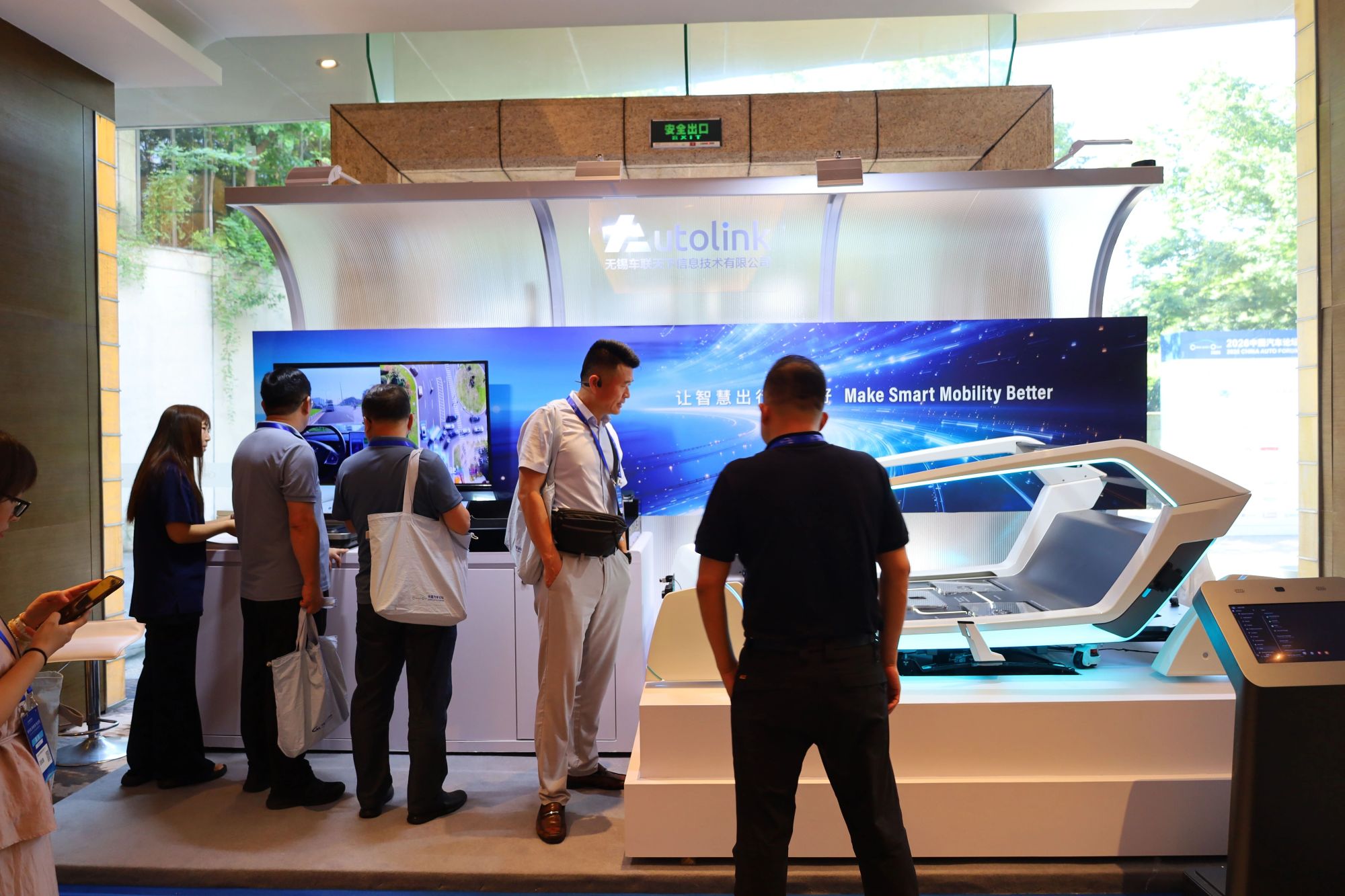
The company has established a three-tier development framework: AI Technology → AI Products → Vehicle-Wide AI. This is supported by its "Four-Cycle Product Development System," which continuously iterates across data/information, software architecture, hardware architecture, and control layers. This approach enables rapid development and scalable delivery across multiple processor generations.
According to Frost & Sullivan, cumulative shipments of the AL-C1 Smart Cockpit Domain Controller (Snapdragon 8155) surpassed 2.3 million units by May 2026, ranking first globally.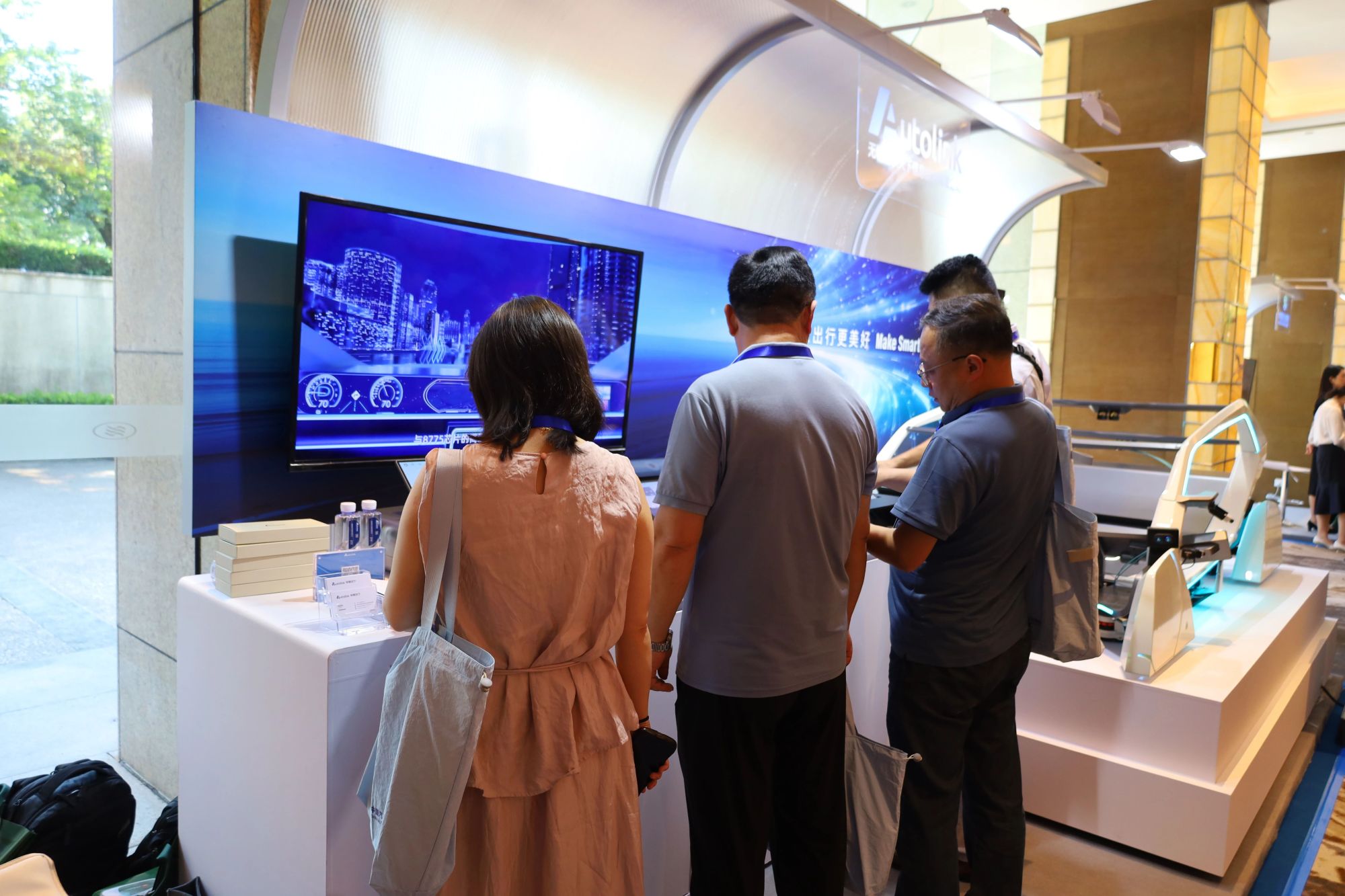
Strategic Vision for High-Quality Development
"The ultimate competition in intelligent vehicles lies not in individual features, but in systemic architectural capability," said Yang Hongze, Founder and Chairman of Autolink. "High-quality development depends on building organizational capabilities and reusable system capabilities beyond individual expertise. We are evolving beyond a product-focused approach toward becoming a systems-oriented company, delivering not only hardware or software, but scalable and reusable system architectures."
Guided by its "Four-All Strategy," Autolink is integrating AI into strategic decision-making, project governance, and operations to build an AI-ready ecosystem. Moving forward, the company will continue strengthening structural capabilities, organizational mechanisms, and AI collaboration to provide global OEMs with scalable system-level solutions for the intelligent mobility era.