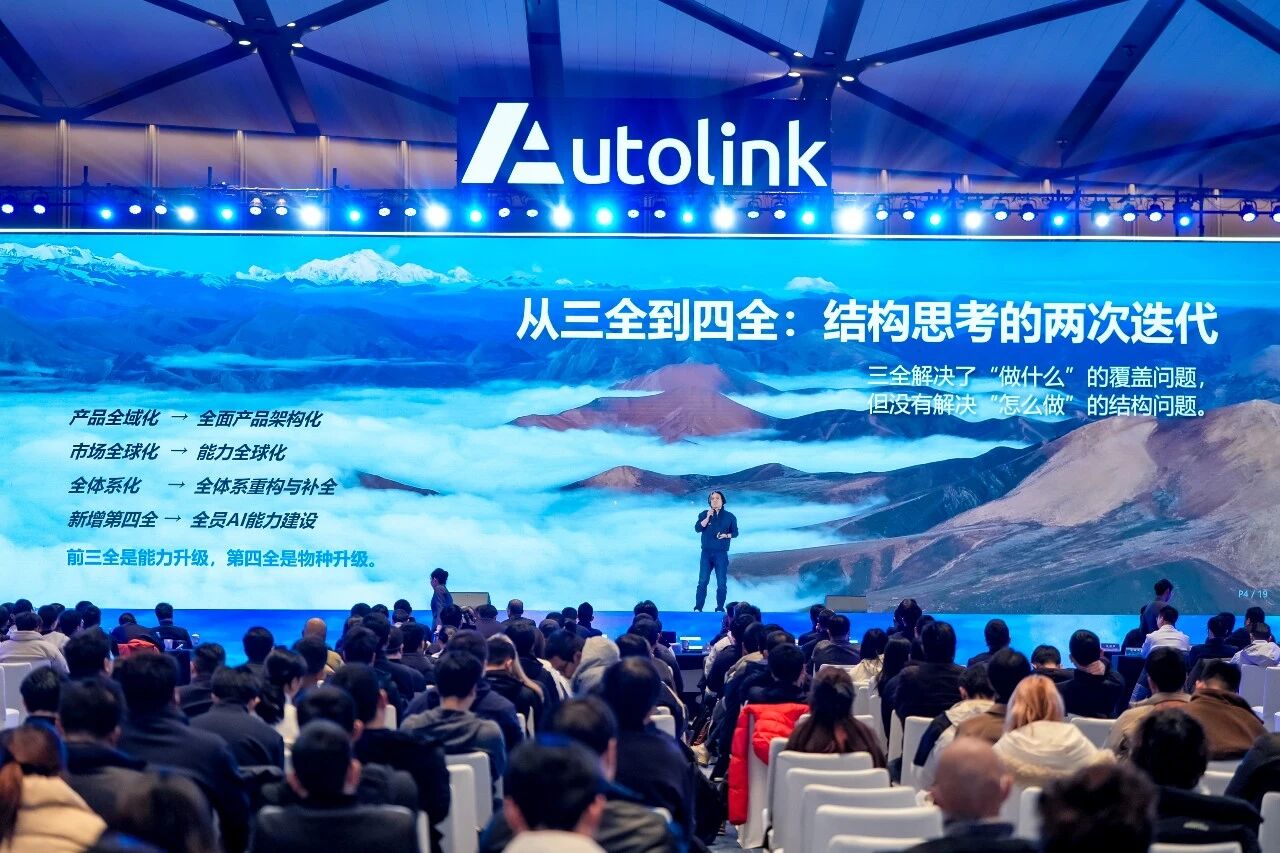
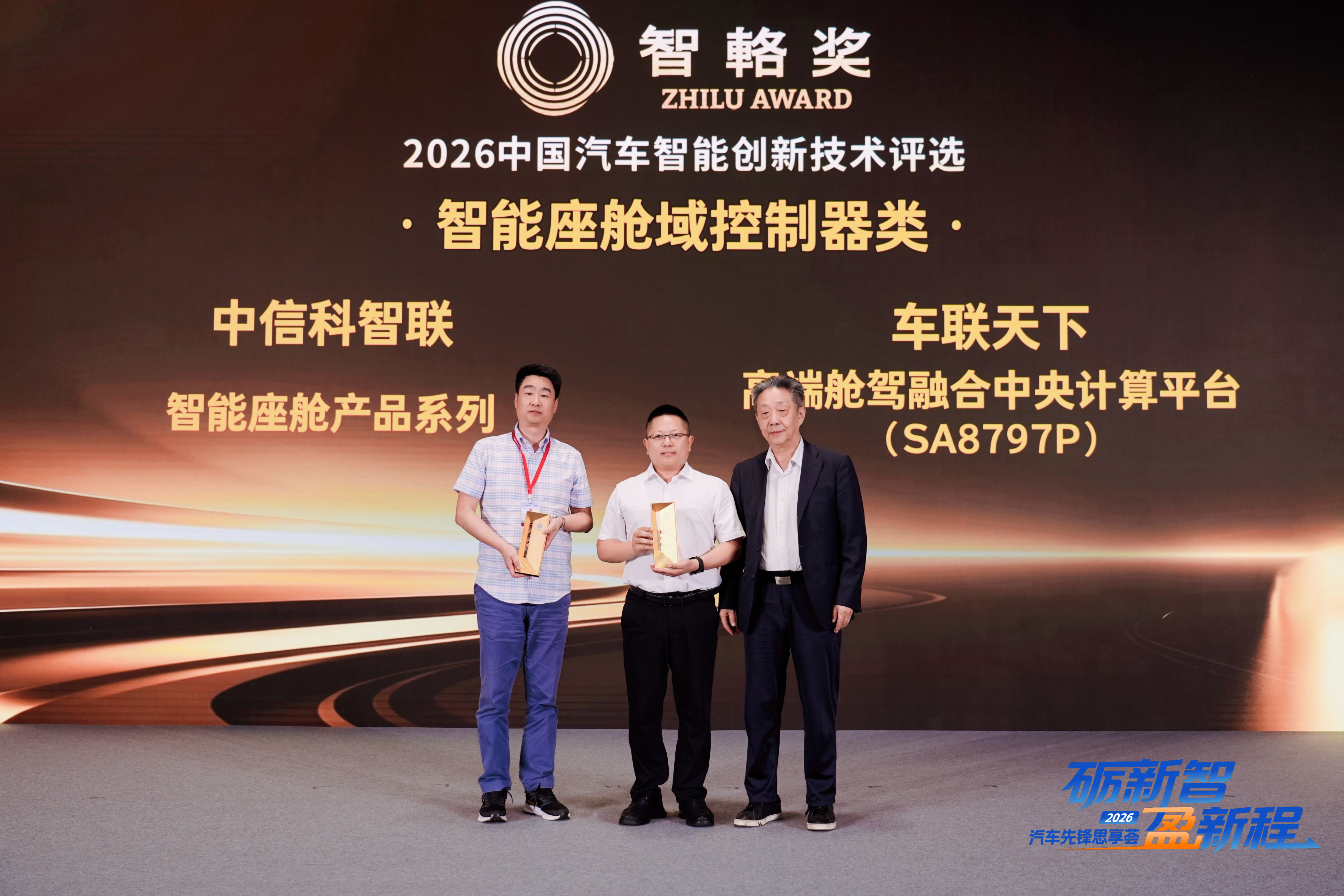
(Image source:2026 Automotive Observer Zhilu Award)
[CHENGDU, China — August 21, 2026] At the 2026 Automotive Pioneer Forum & 4th Zhilu Award Ceremony, Autolink’s AL-A2 High-Performance Cockpit-Driving Fusion Central Computing Platform, based on the Qualcomm Snapdragon SA8797P platform, received the “Gold Award for Intelligent Cockpit-Domain Controller”. The recognition reflects the industry’s acknowledgment of Autolink’s continued efforts in advancing intelligent vehicle architecture evolution and proactively developing next-generation intelligent vehicle infrastructure capabilities, further demonstrating the company’s ongoing innovation in central computing, cockpit-driving fusion, and edge AI technologies.
As artificial intelligence continues to integrate deeply into the automotive industry, intelligent vehicles are evolving from feature-based intelligence toward system-level intelligence. Based on its continuous insight into future automotive technology trends, Autolink has long focused on the evolution of next-generation electronic/electrical (E/E) architectures. The company has proactively invested in key technology areas including central computing platforms, zone controllers, cockpit-driving fusion, and edge AI, building capabilities for next-generation intelligent vehicle infrastructure in the era of AI-defined vehicles.
(Image source:2026 Automotive Observer Zhilu Award)
Through continuous investment and large-scale mass-production capabilities in intelligent cockpit domain controllers, Autolink’s SA8155P-based products achieved cumulative shipments exceeding 2.3 million units as of May 2026, ranking first globally. This achievement not only validates Autolink’s engineering capability in transforming advanced computing platforms into large-scale commercial applications, but also reflects the company’s long-term commitment and proactive roadmap toward intelligent vehicle architecture evolution, further strengthening industry recognition of Autolink as a pioneer in intelligent vehicle architecture development.
(Image source: Autolink)
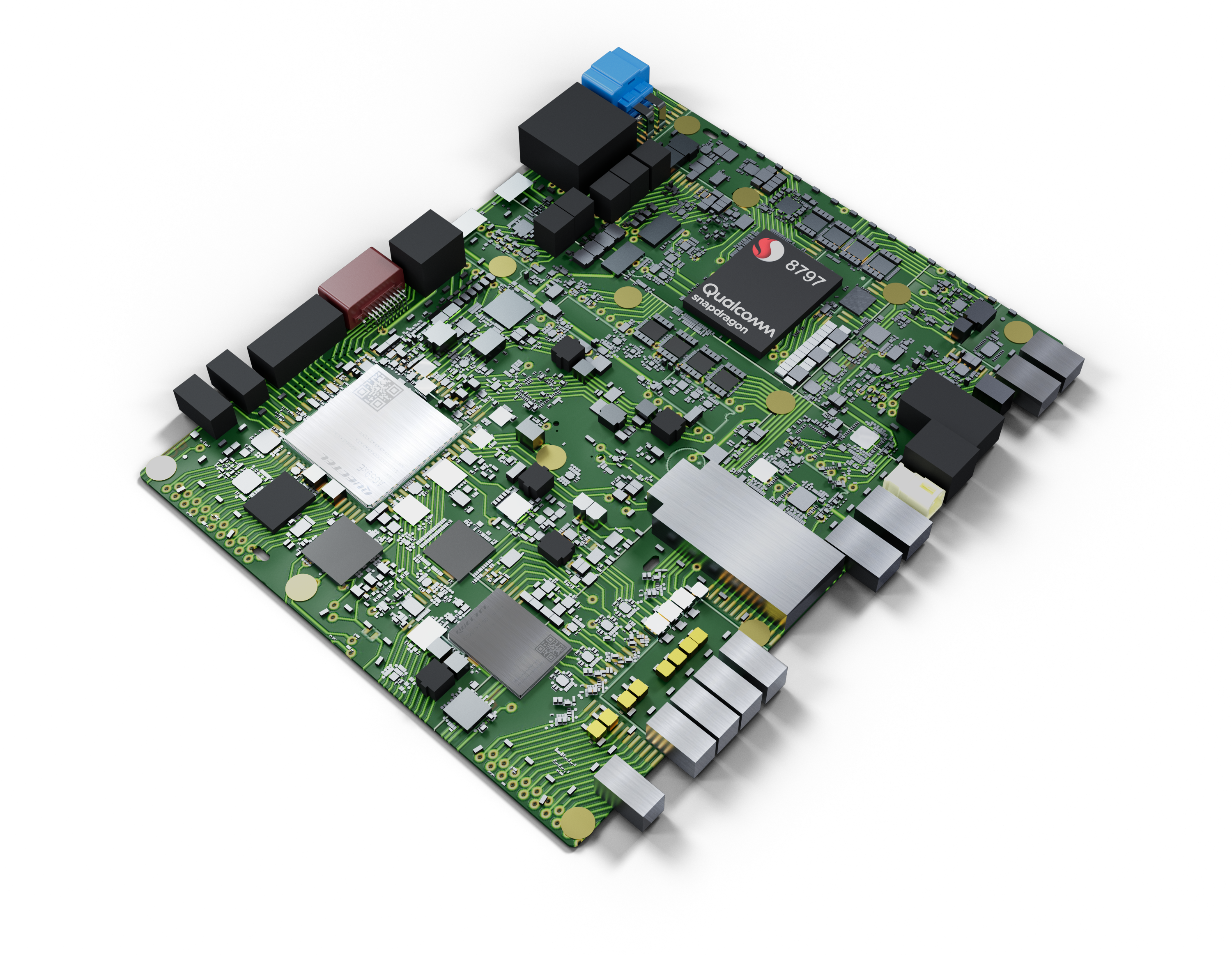
Designed for next-generation intelligent vehicle architectures, the AL-A2 platform enables cockpit-driving fusion through a centralized computing architecture and supports future applications including advanced intelligent driving and AI Agents. The platform adopts HyperVisor virtualization technology to enable a “one chip, dual system” architecture, supports deployment of 13B-parameter edge AI large models, centralized-edge computing resource sharing, and in-vehicle optical communication expansion, providing a continuously evolving computing foundation for multimodal AI interaction, advanced intelligent driving, and intelligent cockpit integration.
(Image source:2026 Automotive Observer Zhilu Award)
Currently, the AL-A2 platform has entered the Production Validation (PV) phase and secured vehicle program nominations from joint-venture OEMs, with mass production expected in Q1 2027. Through a complete development path covering forward-looking technology research, engineering validation, and production readiness, Autolink continues to demonstrate its capability to transform next-generation intelligent vehicle architecture concepts into scalable commercial applications.
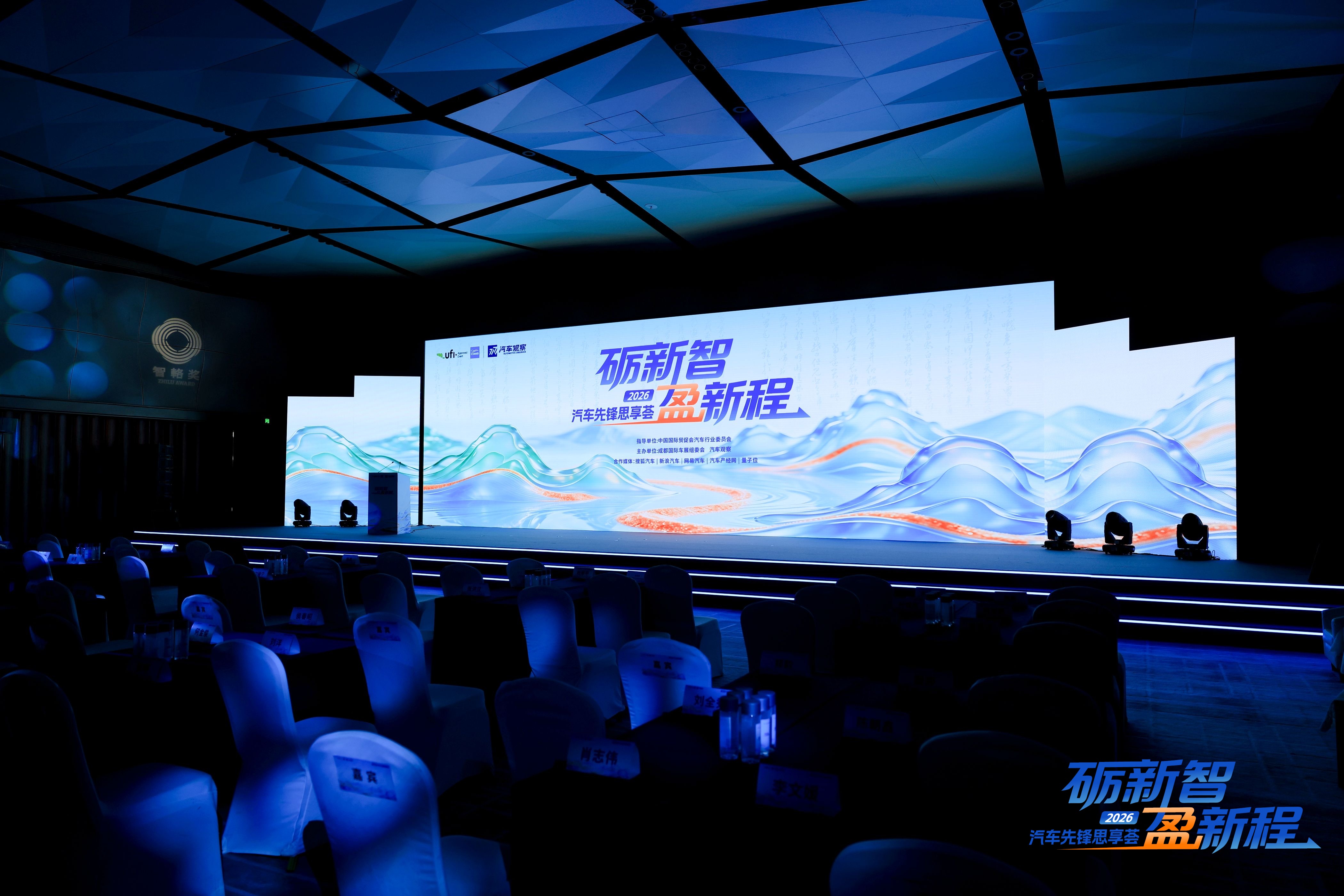
The Zhilu Award focuses on innovative technologies and industry achievements in the intelligent vehicle sector, evaluating outstanding solutions across dimensions including technological innovation, commercial value, team capabilities, and ecosystem contribution. The recognition of AL-A2 with the “Gold Award for Intelligent Cockpit-Domain Controller” represents industry recognition of Autolink’s next-generation central computing technology roadmap and engineering execution capabilities.
(Image source:2026 Automotive Observer Zhilu Award)
About Autolink
Autolink continuously advances intelligent vehicle architecture evolution by investing in the research and development of intelligent vehicle central computing platforms, electronic and electrical architecture (EEA) upgrades, and edge AI technologies, building core technology capabilities for next-generation intelligent vehicle infrastructure in the era of Physical AI.