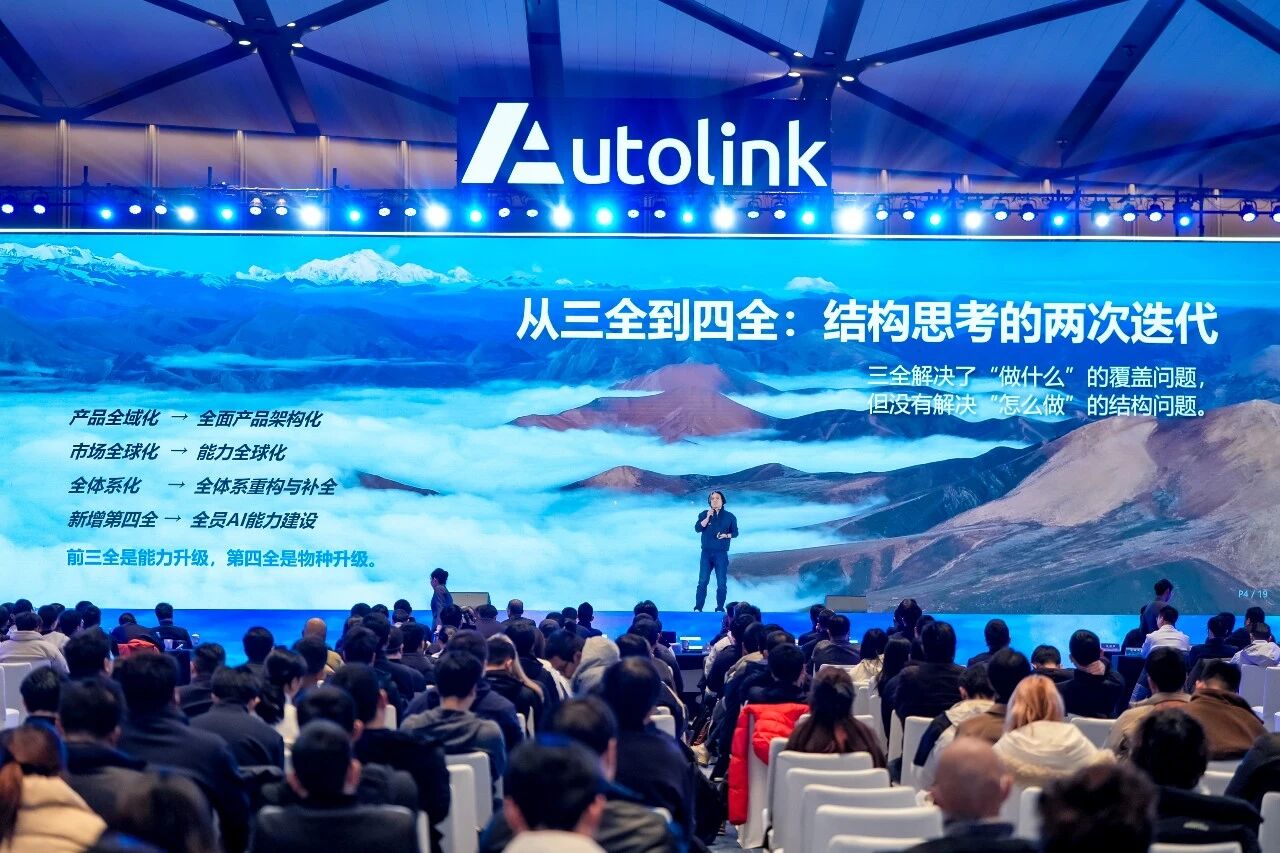
WUXI, China — September 7, 2026 — In a recent in-depth report on the globalization of Chinese companies, Nikkei Asia highlighted Autolink as one of the representative companies in China’s intelligent automotive industry. The report examined how intense domestic competition has accelerated technology iteration, manufacturing efficiency and the globalization capabilities of Chinese companies, while looking at Autolink’s efforts to improve production efficiency, develop proprietary manufacturing software, and strengthen localized R&D, manufacturing and service capabilities in Europe and other international markets.
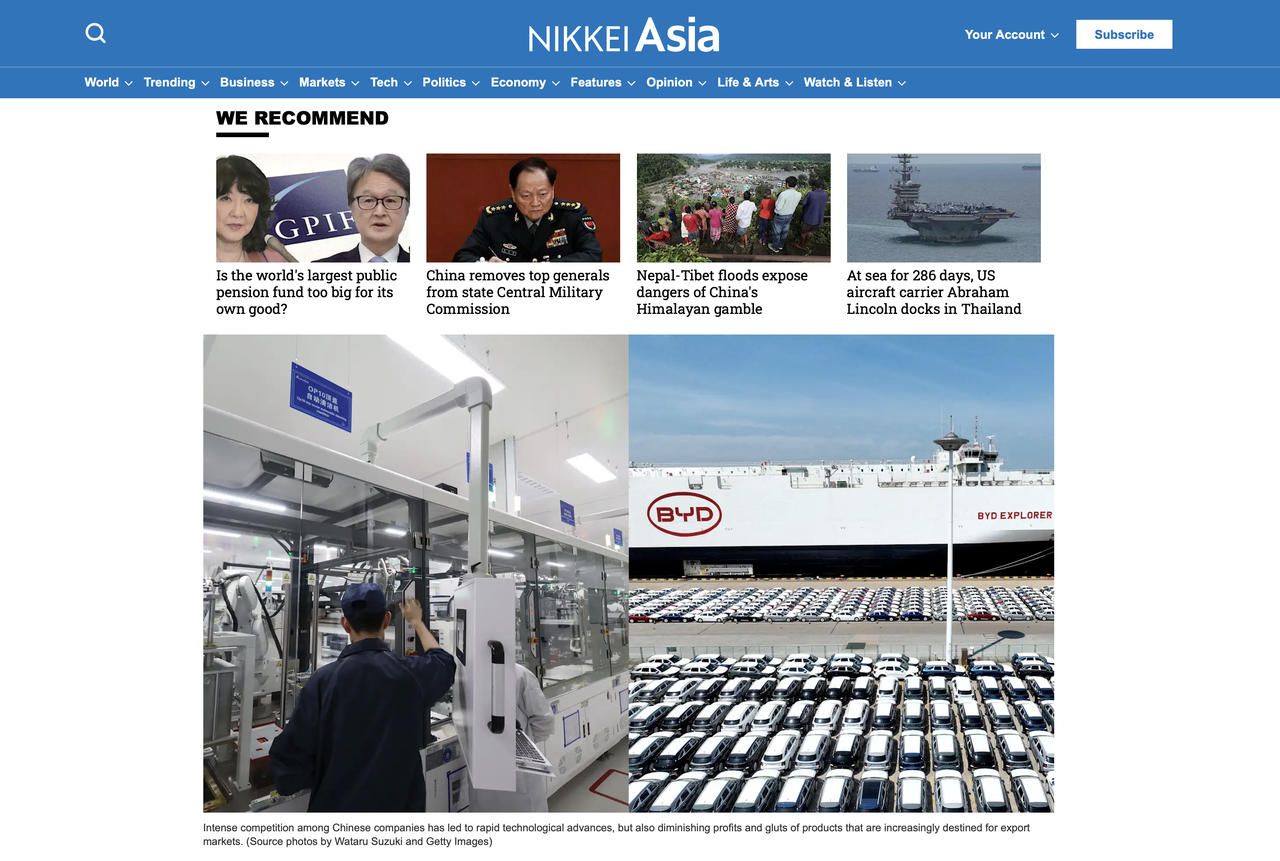
For Autolink, globalization is fundamentally different from simply “going overseas.” In his interview with Nikkei Asia, Autolink Chairman and CEO Yang Hongze emphasized that globalization is not about exporting products in one direction, but about building the ability to serve Japan in Japan, Europe in Europe, and the United States in the United States. Localization and globalization, he said, must advance together.
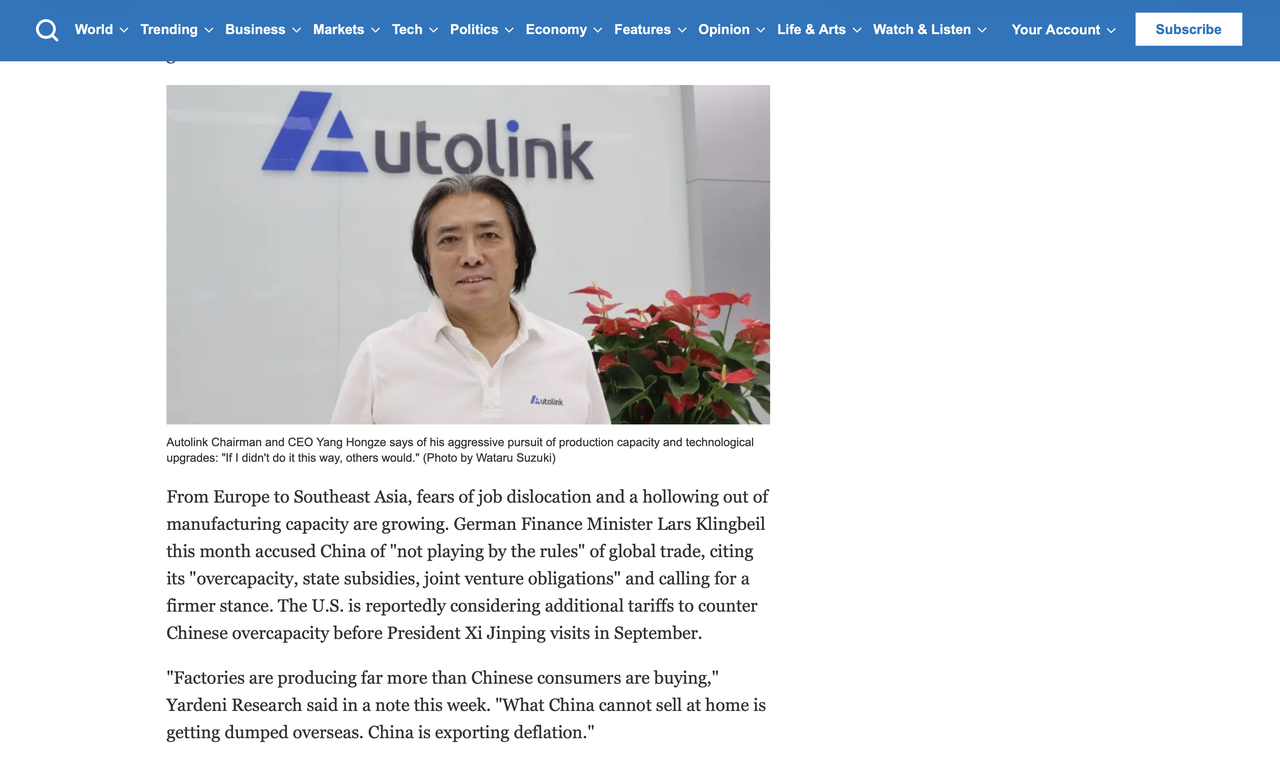
Nikkei Asia placed Autolink within the broader context of Chinese manufacturing and technology companies entering global competition. The report noted that intense competition in China has driven rapid technological advancement and efficiency gains, while at the same time placing greater pressure on profitability, global supply chains and localized operations.
For Autolink, this competitive environment has created more than pressure for speed. It has continuously pushed the company to improve technology iteration, manufacturing efficiency and organizational responsiveness.
At its Wuxi headquarters, Autolink has continued optimizing the production process for domain controllers, working to reduce robotic assembly cycle time from 56 seconds toward 40 seconds. The company has also developed proprietary software to monitor the manufacturing process and detect potential defects. Nikkei Asia used these examples as a window into Autolink’s manufacturing efficiency and engineering capabilities.
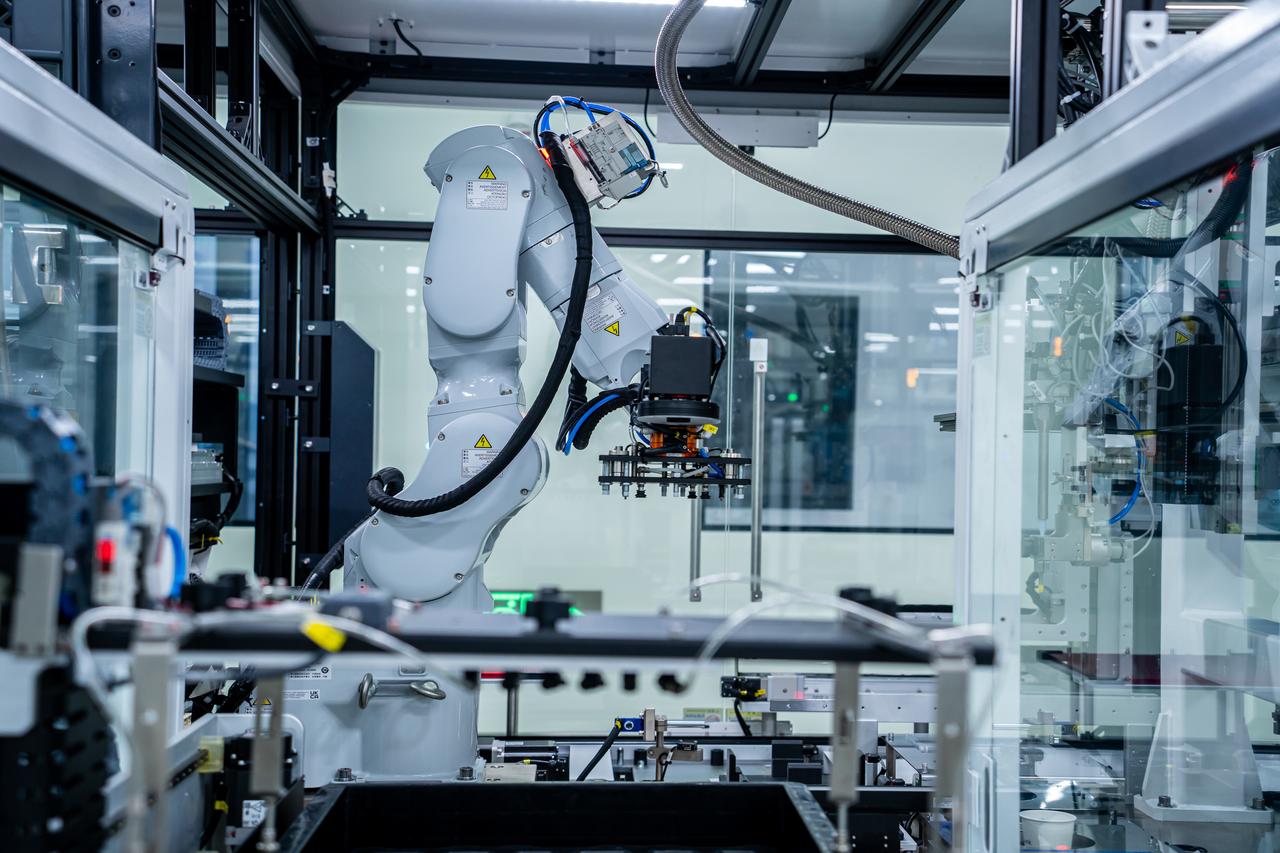
Source: Autolink Automated Production Line
Yang also noted that the intensity of competition in China requires companies to continuously improve production efficiency and accelerate technology upgrades. For Autolink, that pressure has gradually become part of the way the company operates: shortening the path from technology development to mass production, while building the capabilities required for the next stage of industry evolution.
As more Chinese companies enter international markets, global competition is no longer simply a competition of products.
Nikkei Asia also examined the broader challenges surrounding the globalization of Chinese companies. Across Europe and other major markets, issues including industrial policy, local employment, manufacturing localization and supply chain security are becoming increasingly important considerations for companies seeking sustainable international growth.
Against this backdrop, Autolink is not seeking to simply replicate its domestic development model overseas.
The company is continuing to strengthen localized R&D, manufacturing and customer support capabilities in Europe, with the goal of operating closer to customers and becoming more deeply integrated into local automotive ecosystems. For Autolink, globalization is therefore not defined by where products are sold, but by where the company can build the capabilities required to serve local customers over the long term.
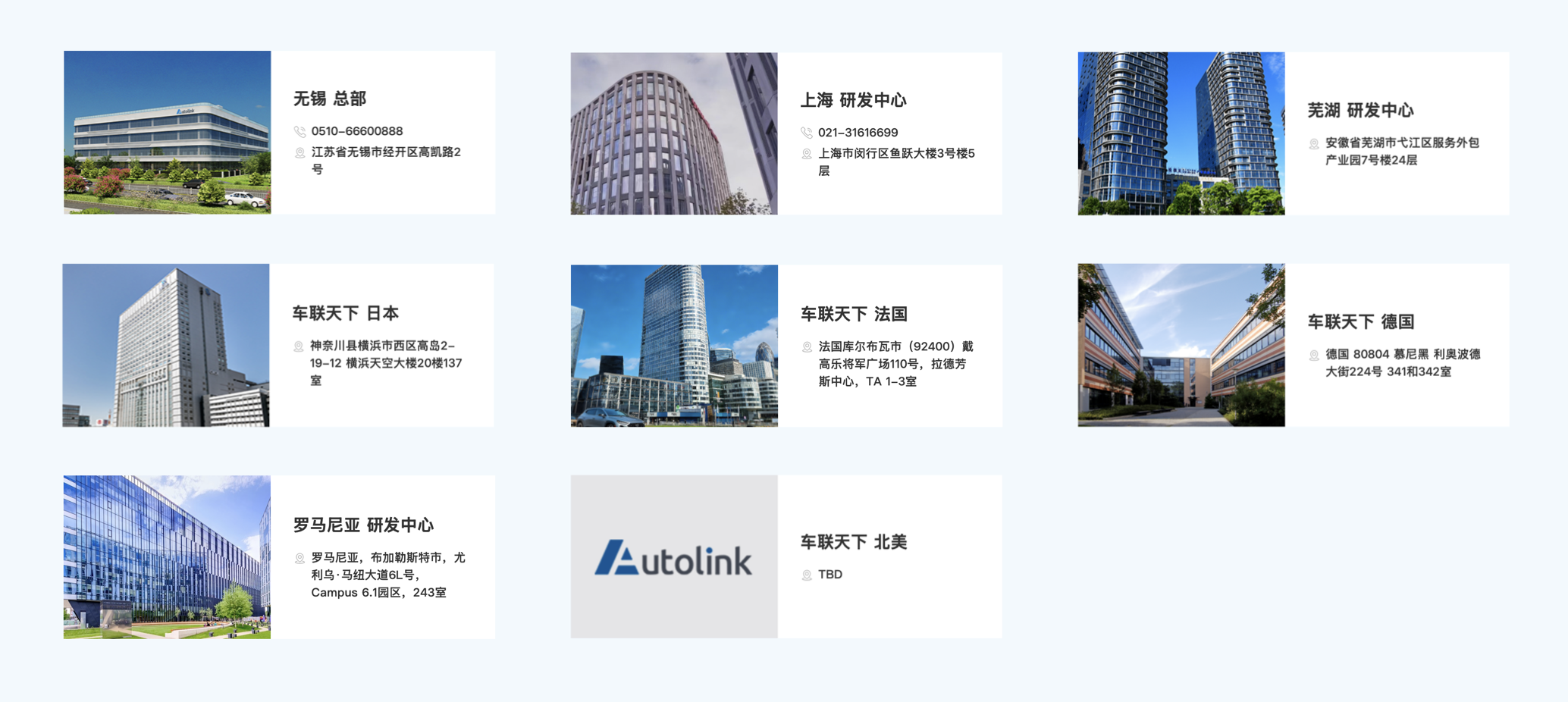
Source: Autolink Global Business Footprint
This approach also reflects a consistent part of Autolink’s development philosophy: rather than waiting for market direction to become fully defined, the company continues to observe industry evolution, anticipate future market needs, and build the technology, manufacturing and organizational capabilities required for the next stage.
Nikkei Asia's coverage also placed Autolink within a broader international discussion around the transformation of Chinese technology companies.
Rather than focusing solely on how a Chinese company enters overseas markets, the report positioned Autolink at the intersection of China's technology acceleration, global competition and the transition toward localized operations. On one side, the efficiency and iteration speed developed in China have become important capabilities for global competition. On the other, meaningful globalization requires companies to understand local markets, engineering systems, regulatory environments and industrial ecosystems.
For Autolink, the former represents capabilities built over years of development. The latter represents capabilities the company is continuing to build for its next stage of growth.
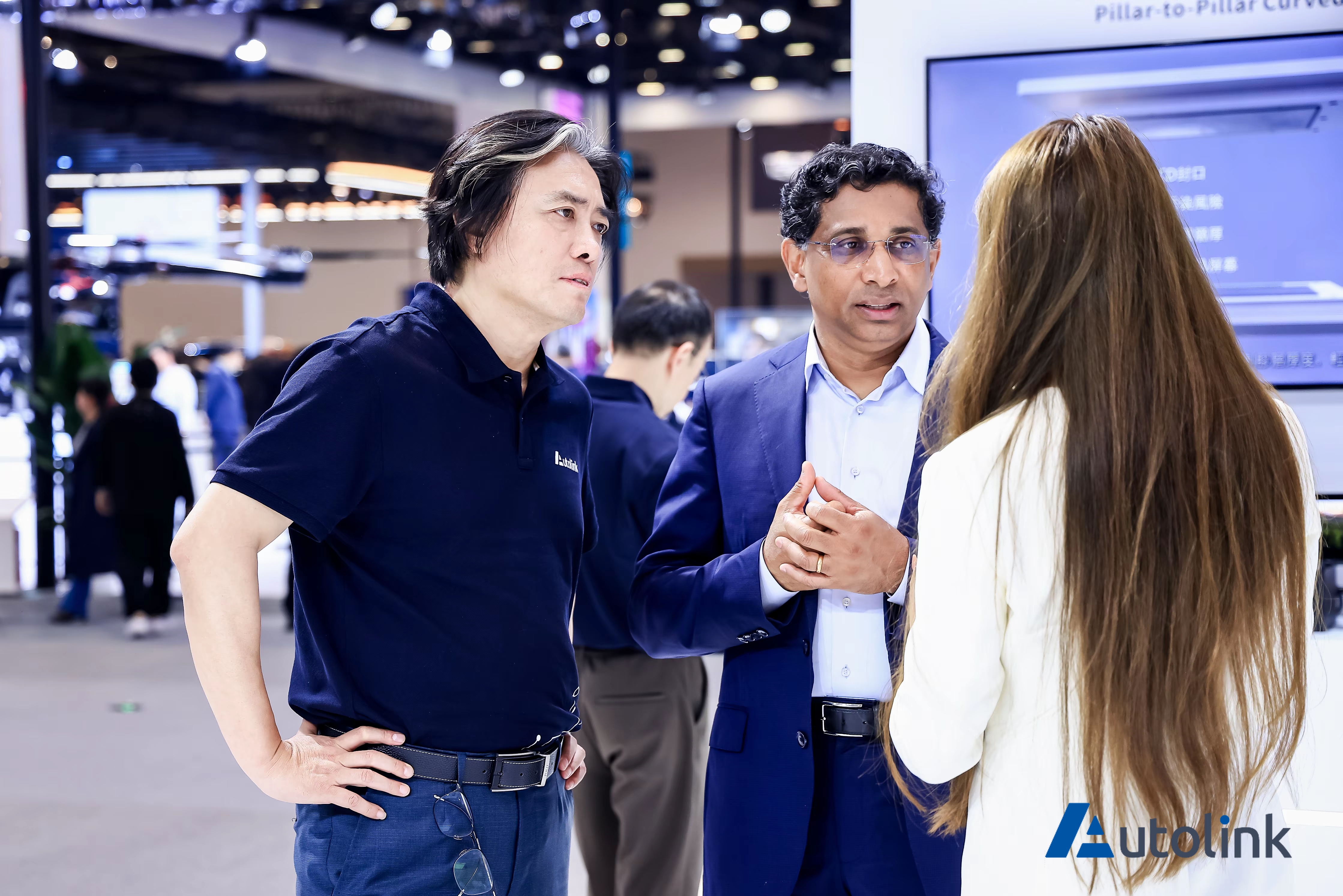
Source: Autolink Auto China 2026
As the intelligent vehicle industry enters a new cycle of architecture evolution, Autolink is increasingly combining its technology capabilities, scalable mass-production expertise and localized global operations. The company will continue strengthening its R&D, manufacturing and customer support capabilities across Europe and other international markets, while deepening collaboration with global OEMs and industry partners.
Globalization, therefore, is not a one-way process of market expansion. It is a long-term process of building enterprise capabilities.
From serving customers in China to developing the ability to serve customers in different markets locally; from bringing products into global markets to integrating R&D, manufacturing, engineering and services into local automotive ecosystems — this is the globalization path Autolink is continuing to pursue.
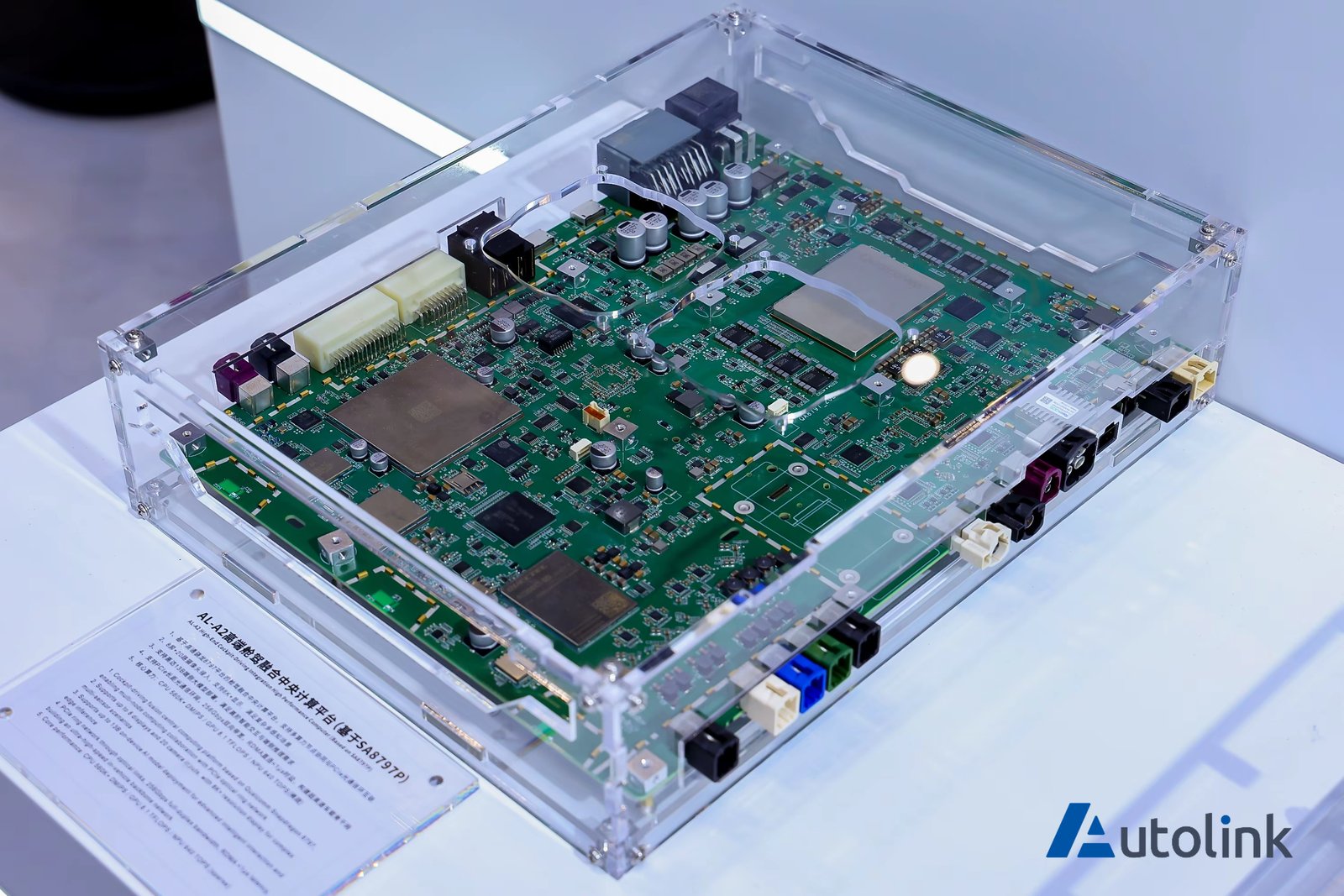
Source: Autolink AL-A2 High-End Cockpit-Driving Integration High Performance Computer (based on SA8797P)
Looking ahead, Autolink will continue advancing globalization and localization in parallel while remaining focused on the evolution of intelligent vehicle architectures. The company will continue investing in central computing platforms, electronic and electrical architecture upgrades, and edge AI technologies, contributing its technology and global service capabilities to the next stage of intelligent vehicle development.
Autolink continuously advances intelligent vehicle architecture evolution by investing in the research and development of intelligent vehicle central computing platforms, electronic and electrical architecture (EEA) upgrades, and edge AI technologies, building core technology capabilities for next-generation intelligent vehicle infrastructure in the era of Physical AI.